Mayfly – Stenonema femoratum
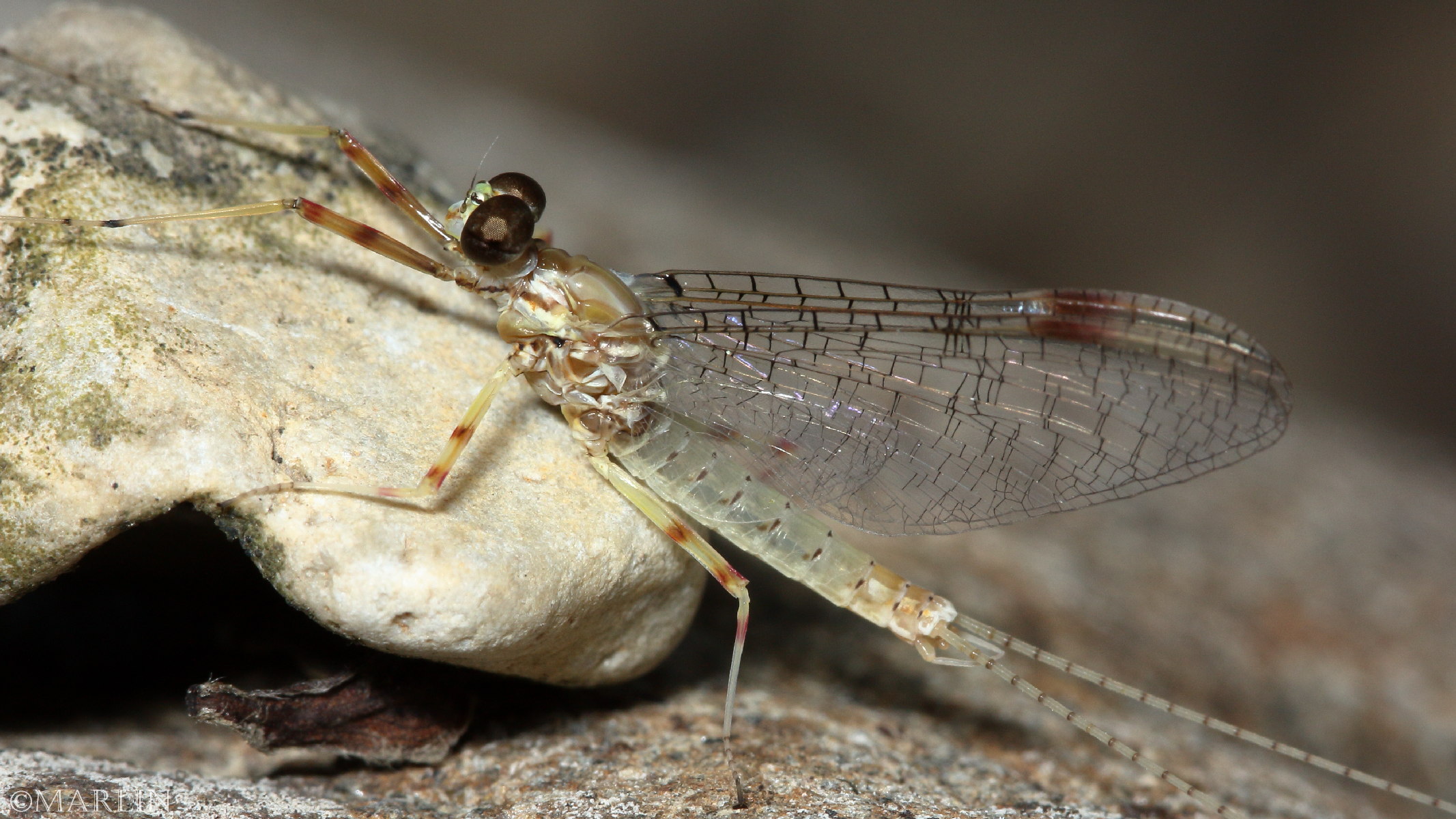
This is a male specimen
The earliest mayfly nymphs in the fossil record are from the late Carboniferous, about 360 Mya. The difficulty of placing fossil nymphs in an insect order, however, make this in dispute, with some authors claiming appearance as early as the Devonian is possible. Most fossil mayflies are larval fossils, ostensibly due to the very short time they have in the adult stage. [6]
Life Cycle: Mating normally occurs the same day adulthood is achieved. Females release as many as 8,000 fertile, oval eggs over the water, often scattering them or, in some species, in mass in a suitable place. After eggs are laid, females fall to the water and float, often drifting onto beaches in nuisance piles or windrows. Others are strongly attracted to and congregate under night lights.
Eggs laid on the water surface gradually sink to the bottom and, after a few days or several months, hatch into tiny aquatic nymphs well adapted for living at the bottom of quiet bodies of water or rapidly flowing streams. Some species burrow into the lake sediment to feed on algae, diatoms, aquatic vegetation, other aquatic insects, etc.
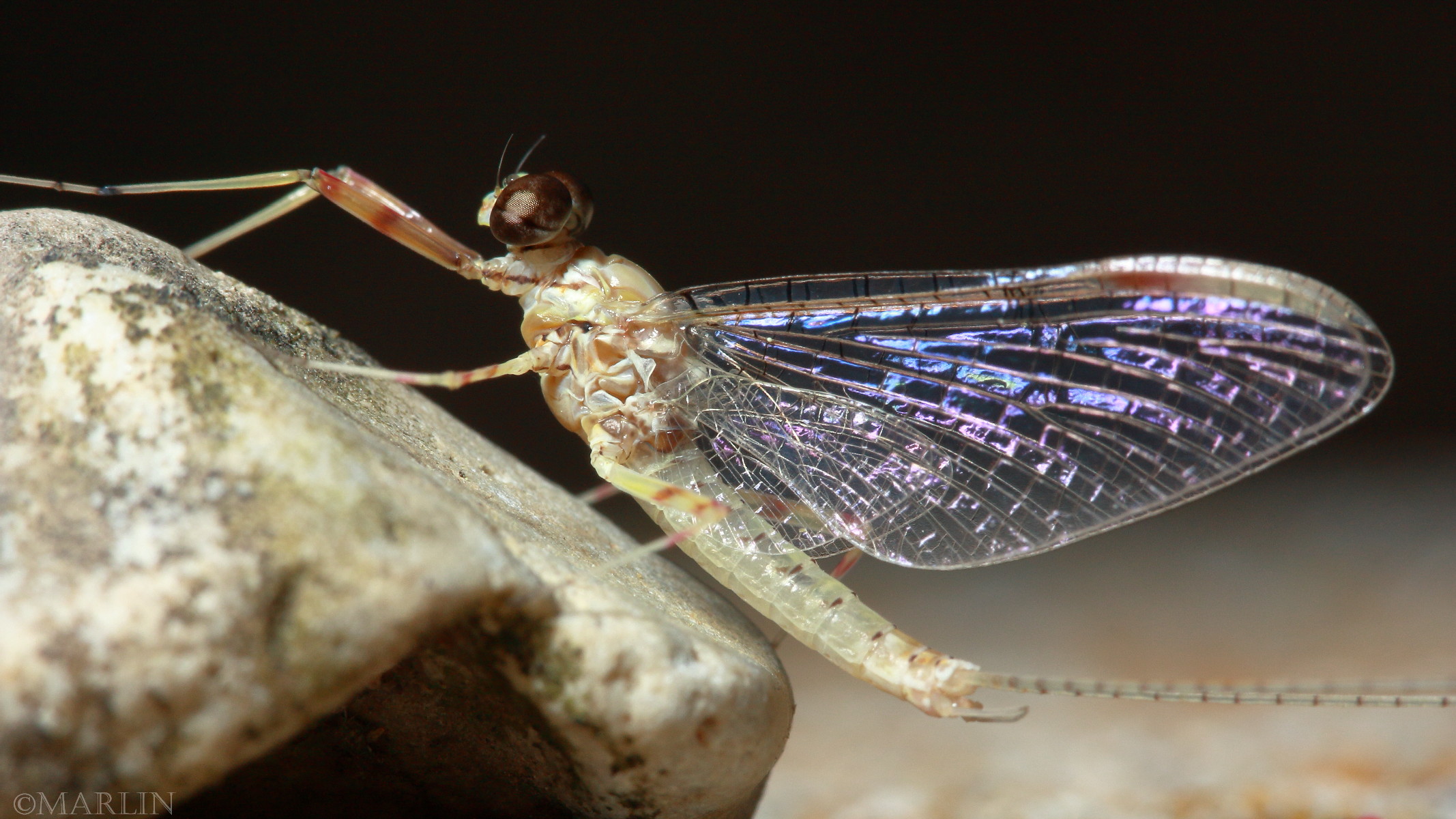
When mature, nymphs swim to the surface or climb up plant stems or rocks where they break the skin, wait briefly for the wings to dry, and fly off. (This subimago period lasts a few minutes to 48 hours, depending on the species.) Subimagos are dull in appearance while true adults are shiny with longer tails and legs. [1]
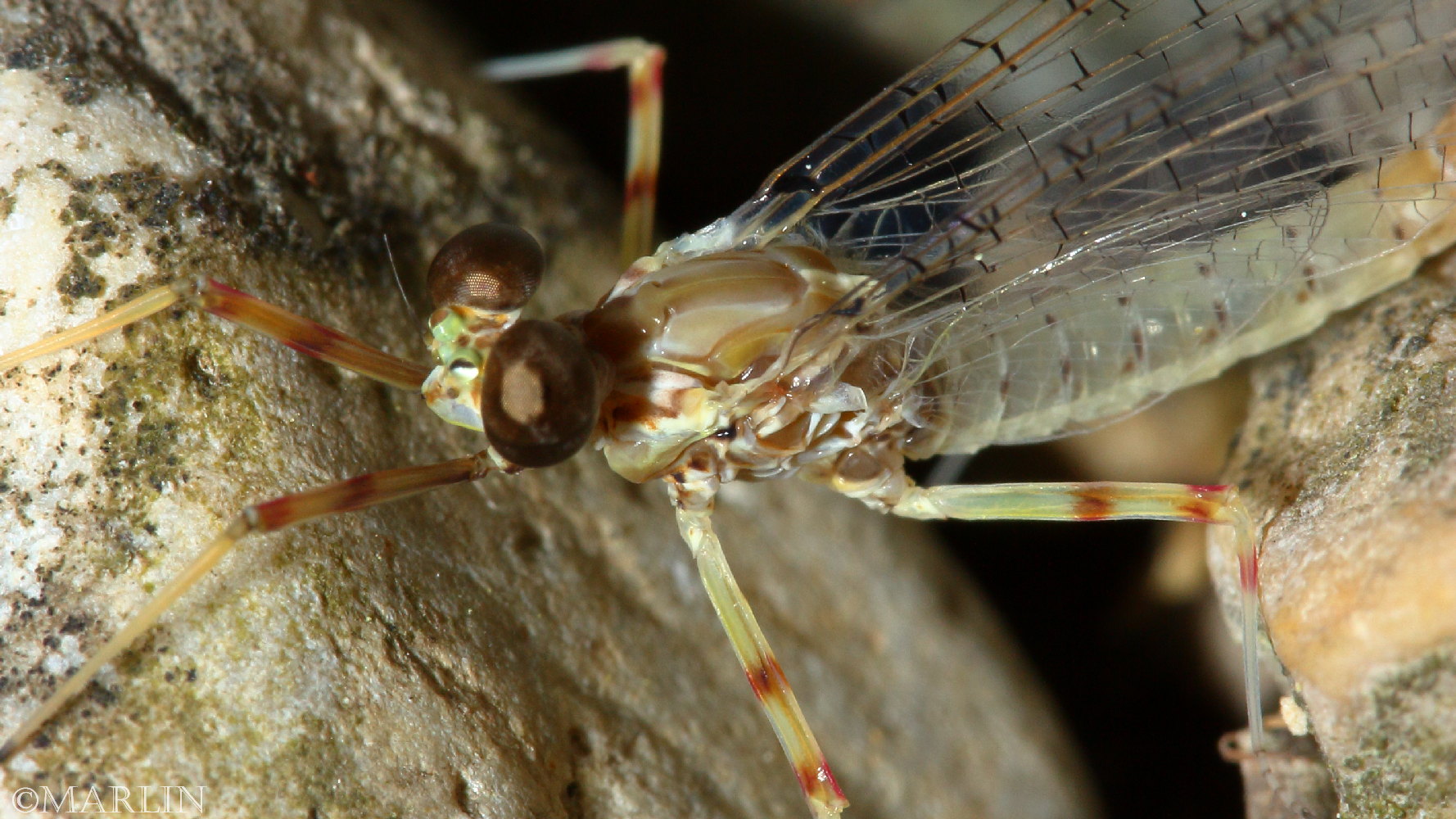 Members of this species are commonly called “Cream Cahills.”
From Troutnut.com:
“These are often called Cream Cahills. This is the only species remaining in the Stenonema genus after the classic superhatches were reclassified into Maccaffertium. Its habitat and behavior is not different from the Maccaffertium species, except as noted below, and you should consult the page for that genus if you need info for this hatch.” [4]
Mayflies are a vital link in the food web of freshwater ecosystems, making energy stored in algae and other aquatic plants available to higher consumers (other invertebrates, fish, birds, etc.). “Any fly fisher can expound on the value of mayflies as food for many gamefish and more specifically as models for fashioning tied flies.” – from Mayflies of North America
Anglers go to great lengths to identify hatch periods, and there are hundreds of different types of both wet and dry artificial flies for dozens of different species, water conditions, adults, nymphs, you name it. The flies have fanciful names such as Blue Wing Olive Hackle Stacker Sparkle Dun, Green Drake Loop Wing Paradun and parachute creampuff.
From FlyFishUSA.com:
“Parachute Cream Puff” – This fly is very popular for imitating Pale Morning Dun Mayflies on our local rivers on both sides of the Cascades. Hatches can start in early May and continue through August. This easy to see parachute fly was first ordered as a custom tie by Dick Crossley and was known as the Crossley Cream Puff.”
References
- National Oceanic and Atmospheric Administration, U.S. Department of Commerce
- Troy Bartlett, Bugguide.net, Ephemeroptera
- Bugguide.net, Stenonema femoratum
- Knopp, Malcolm, and Robert Cormier. Mayflies: An Angler’s Study of Trout Water Ephemeroptera. 1st ed. The Lyons Press, 2001.
- Wikipedia, the free encyclopedia, Carboniferous
- Fossilemuseum.net Ephemeroptera Fossil Insects
Beetles Main | Beetles Index | Longhorns | Leaf Beetles | Soldier | Blister | Lady | Scarab
Tree Encyclopedia / North American Insects & Spiders is dedicated to providing family-friendly educational
resources for our friends around the world through large images and macro photographs of flora and fauna.
Online since 2002