
Picture-Winged Fly – Delphinia picta
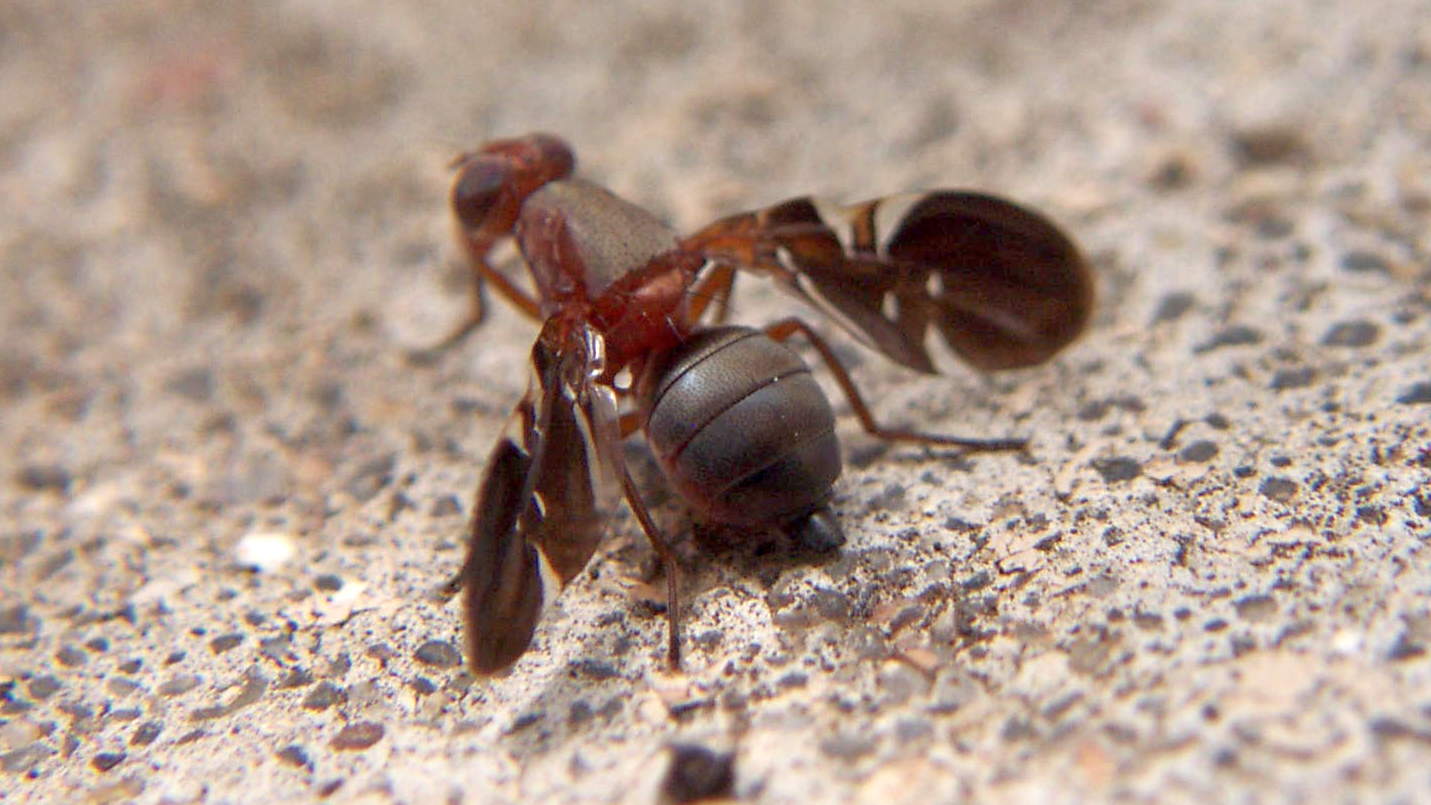
Family Ulidiidae (Otitidae) — picture-winged flies
Live adult picture-winged flies photographed at Oregon, Illinois, USA.
These pictures were taken in 2003 with a Kodak DC4800 point-and-shoot camera. Many people don’t know the first digital still camera was developed by Eastman Kodak engineer Steven Sasson in 1975. He built a prototype (US patent 4,131,919) from a movie camera lens, a handful of Motorola parts, 16 batteries and some newly invented Fairchild CCD electronic sensors.
Kodak fielded some very nice point-and-shoot cameras in the early 2000s, with Zeiss optics and very capable zoom features. (Forget “digital” zoom, however – it was useless.) I used Kodak until 2008 when I graduated to a Canon EOS 450D DSLR with a dedicated macro lens.
I am still proud of these shots even though they are so crude. In those days I refused to use a flash and was of the opinion “natural light” photography was the only way to go. Thank jah I quickly found out an external flash is absolutely essential.
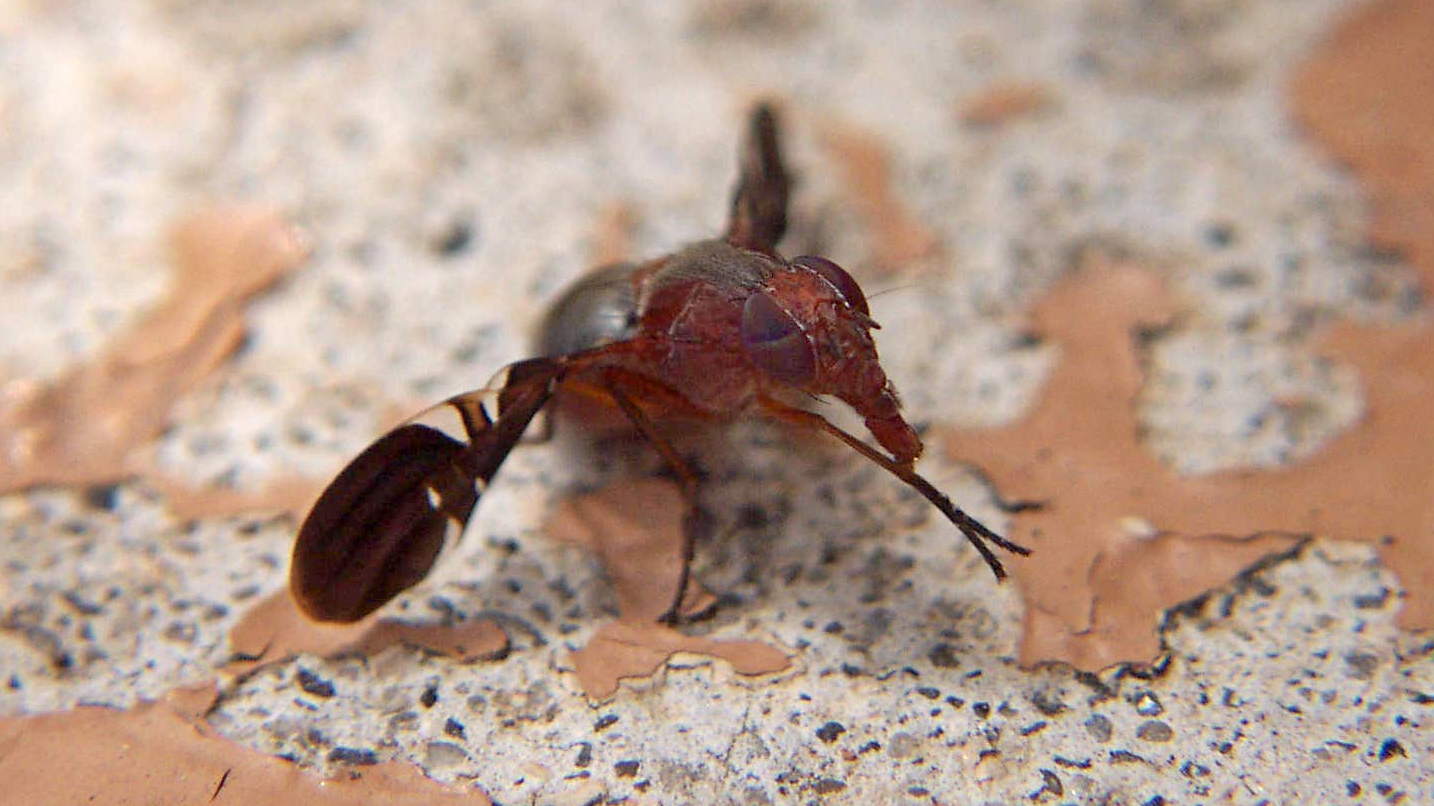
Several of the native North American picture-winged flies in the family Ulidiidae are often confused with fruit flies in the family Tephritidae. While the females of most species of Tephritidae oviposit in living, healthy plant tissue and their larvae live and feed in various parts of the plant, the larvae of most species of Ulidiidae are saprophagous. That is, they feed on dead and decaying organic materials. There are approximately 127 species of Ulidiidae in North America.
However, a few, such as Tritoxa flexa and Tetanops myopaeformis attack living plant tissue. One of the picture-winged flies most often mistaken for a true fruit fly, some of which are important pests of citrus and other fruit, is this fly, Delphinia picta. Although the larvae of this fly have been collected from fallen ripe plums, well decayed, D. picta larvae do not attack fresh, healthy fruit.
Detailed descriptions of the egg, three larval instars and puparium are given by Allen and Foote (1967). The adult is readily recognized by the distinctive wing pattern, shiny blackish-brown with slight overtones of yellow in a few places on a hyaline background. Average length of wing is 6 mm and average body length from head to tip of abdomen excluding the ovipositor is 7 mm. Head and thorax are light brown; abdomen black; legs light brown to yellowish-brown.
Larvae of this fly feed on accumulations of decayed, sodden vegetation lying on the surface of the ground or partially buried in the soil, on rotting fruit, and on other kinds of decomposing vegetation, including bulbs of commercial onions and wild garlic. In northeastern Ohio, adults were found most commonly on herbaceous vegetation near garbage dumps and refuse heaps. A few were taken in deciduous woodlands and at the edges of wooded swamps. (1)
Insects & Spiders | Flies Index | Tachinidae | Dung Flies | Bee Flies | Robber Flies
Tree Encyclopedia / North American Insects & Spiders is dedicated to providing family-friendly educational
resources for our friends around the world through large images and macro photographs of flora and fauna.
Online since 2002