Crane Fly – Epiphragma fasciapenne
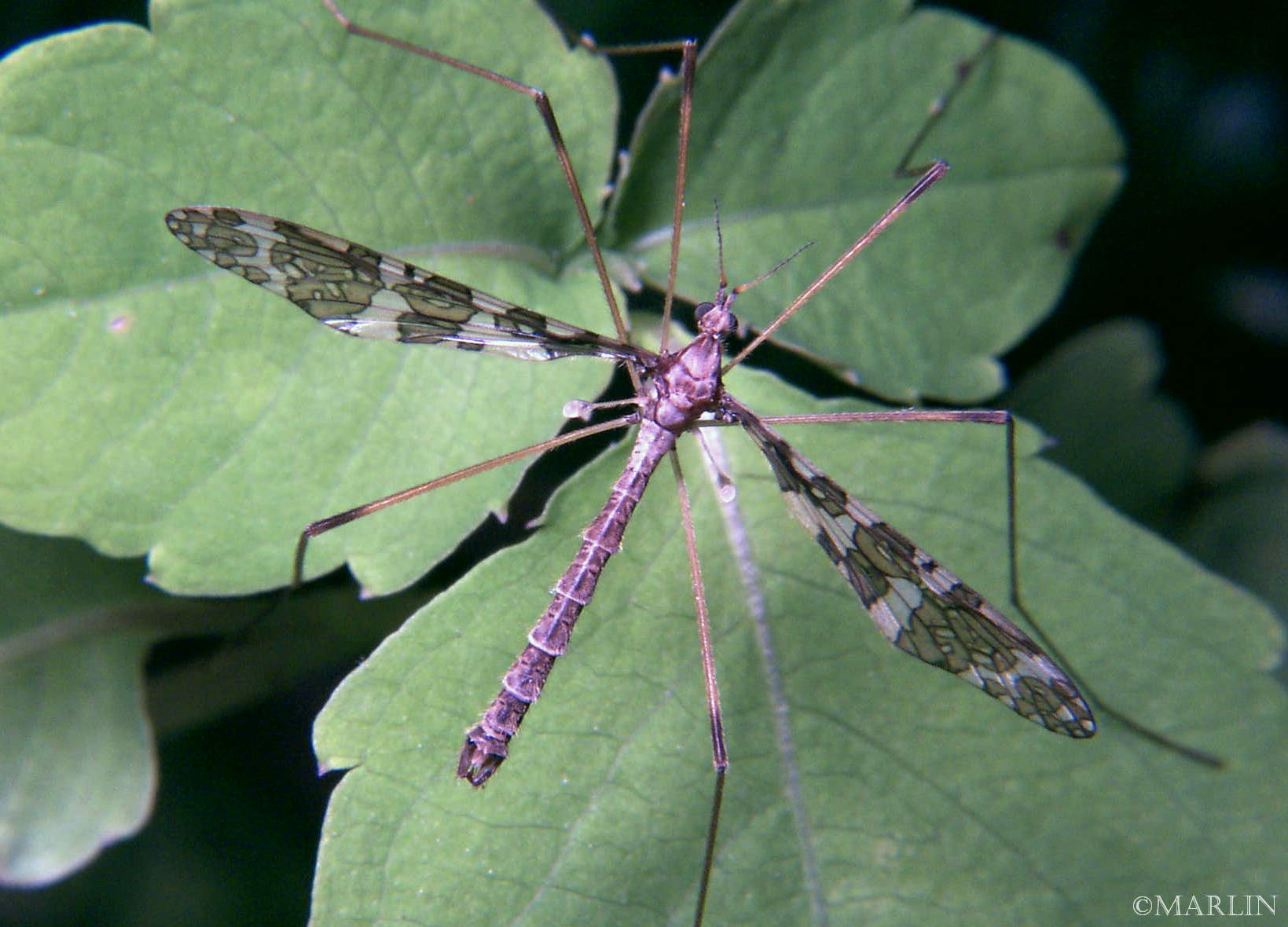
Epiphragma fasciapenne
Tipulidae, often called crane flies in their adult stage, is the largest family of true flies. Crane flies form a highly diverse group of insects, both in number of species and in larval habitats, which extend from aquatic to terrestrial. The body plan or morphology of crane flies is rather simple. An elongate body, one pair of narrow wings, and long, slender legs characterize them. The body size ranges from 5 to 50 mm and can be described as mosquito-like. They are often mistaken for mosquitoes, but they belong to a group of harmless flies and can be distinguished from all other true flies by the transverse V-shaped groove on the dorsal part of the thorax.
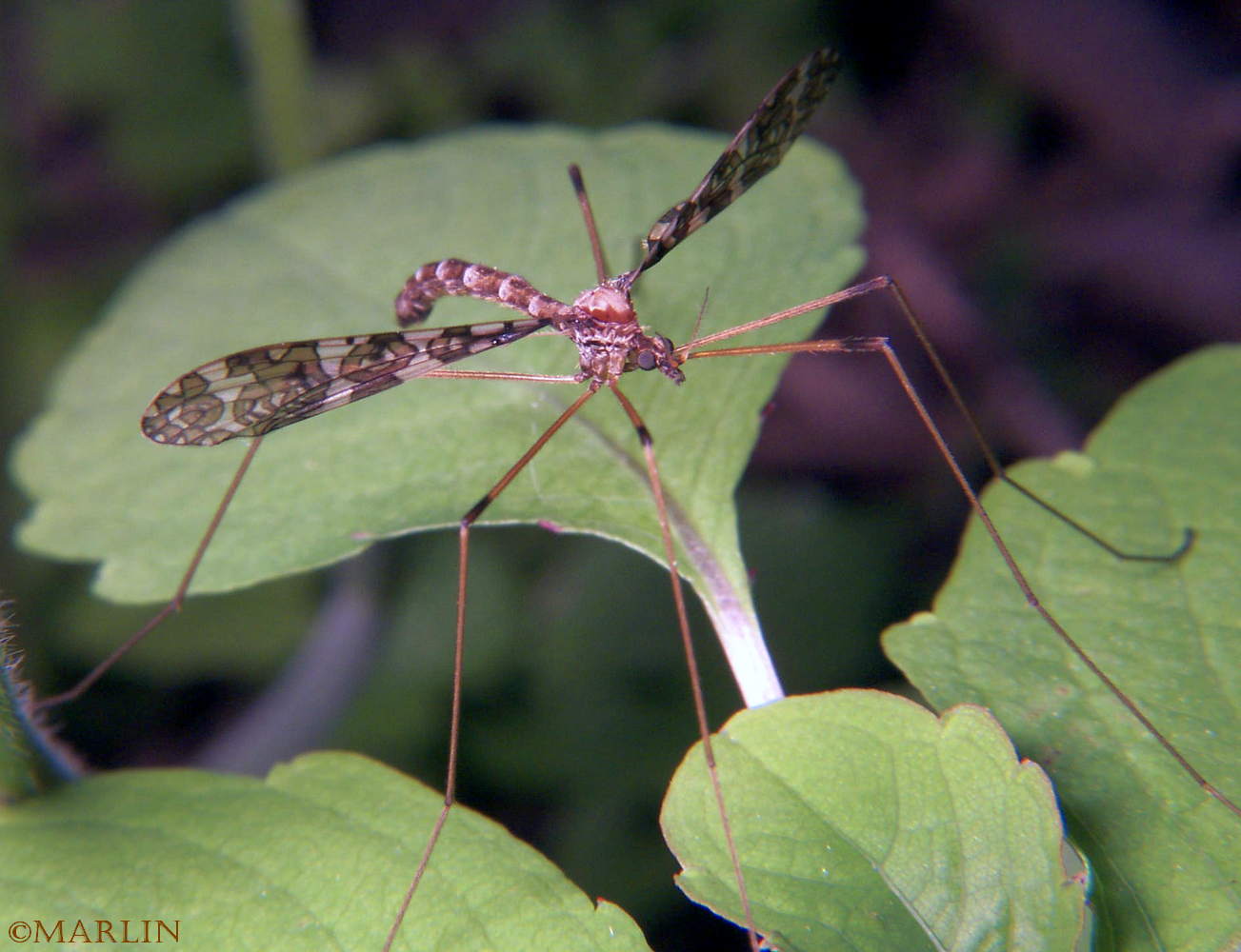
Crane Fly – Epiphragma fasciapenne
In North America, more than 1,500 species of crane flies have been described and over 300 species are known from Pennsylvania. This number probably represents only about two-thirds of the estimated actual number for the state, and much more precise taxonomic studies are needed.
Crane flies undergo complete metamorphosis in their development with a brief egg stage, a relatively long larval feeding stage, a brief pupal resting stage, and finally a short adult breeding stage.
Crane flies serve several important roles in the ecosystem. Most importantly, adult and larval crane flies are food for many animals such as birds, fish, frogs, lizards, spiders and other insects. In addition, the larvae are detritus feeders that break down organic matter in various habitats such as streams and forest floors thereby enriching the soil, renewing and modifying the microhabitat for other invertebrate species. Some crane flies require special habitat conditions, and their presence or absence can be used as an indicator of environmental quality. Fishermen use larvae of some large crane flies as bait. Several species of crane flies are important agricultural pests; their larvae feed on seedlings of field crops and if abundant can be destructive to lawns, rangelands, rice fields, and golf courses.
Flies Main | Flies Index | Tachinidae | Syrphidae | Bee Flies | Blow Flies | Flesh Flies