
Crimean Linden – Tilia x euchlora
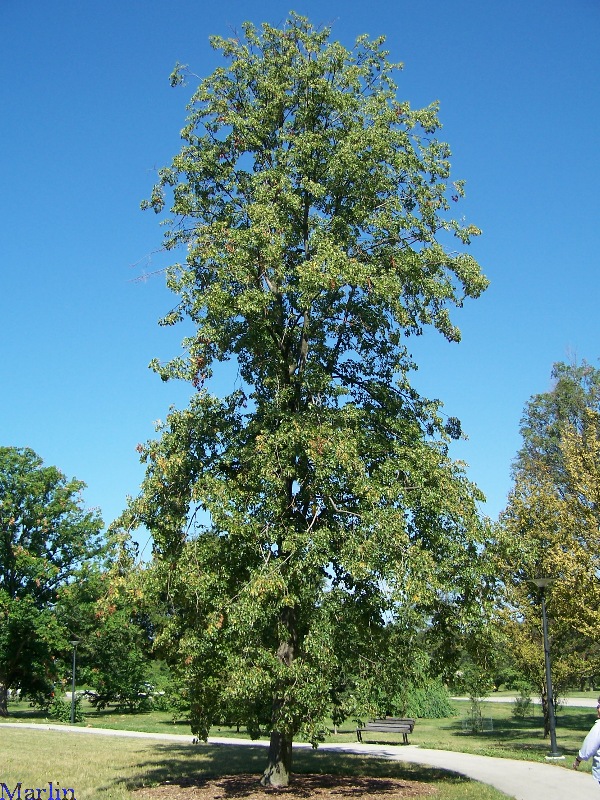
Grown from a planting, this Crimean Linden is approximately 50 years old
Crimean Linden is a hybrid developed in the 19th century, parentage is undecided; it is believed to be T. cordata and T. clasystyia. A deciduous medium to large tree, 40 to 60′ tall, 20′ to 30′ wide; branches to the ground, medium texture, moderate growth rate . Deciduous, simple leaves, alternate leaf arrangement. Broad ovate leaf shape, cordate leaf base , 2″ to 4″ long. Fine sharp serrations cover margins, dark green leaf color. Autumn foliage: Yellow or yellow-green at best; not showy.
Culture: Full sun to light shade. Easily transplanted. Prefers moist, deep, fertile, well-drained soils; tolerant of difficult growing sites and soils. Landscape Uses: Shade tree, lawn tree , street tree. Liabilities: Attracts bees when in bloom, Japanese beetles, sooty mold. — Adapted from Ucon Plants Database
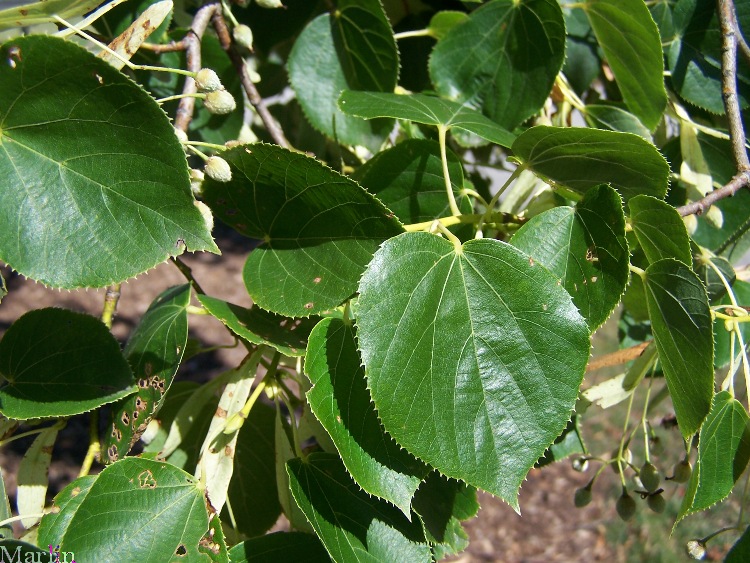
The fragrant flowers of the linden tree hang from the middle of leafy, ribbon-like green bracts in long-stalked clusters. The flowers are tiny, with 5 yellowish-white petals. During the last weeks of June and first weeks of July they exude a powerful, haunting scent that can be detected up to a mile away.
The flowers possess a nectar which attracts bees and produces a strong flavored honey. When this tree is in flower it will be full of bees, hence its common name “Bee Tree”. During the three weeks that the Lindens bloom, bees forsake most other flowers. The honey that they make of Linden nectar is white in color, and highly regarded. The flowers when gathered and dried can be used to make tea. Linden flowers are used in the manufacture of perfumes.
When the flowers go to seed they form small nutlets that contain 1 or 2 seeds each, clustered beneath large leafy wing bracts which act as parachutes.
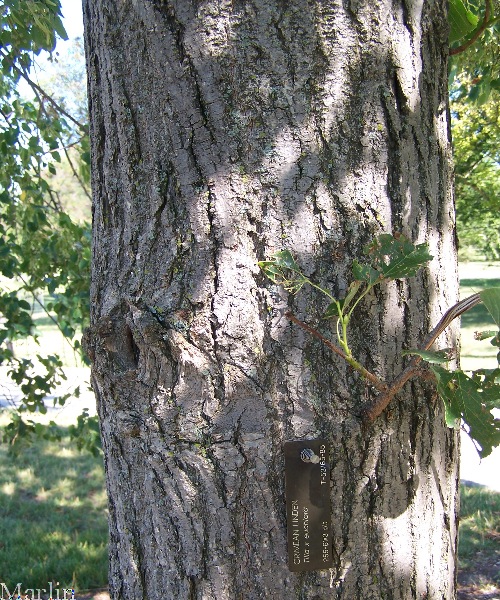
Family Tiliaceae – Basswoods, Lindens
50 genera and 400 species; widespread in tropical and subtropical regions, with relatively few species in temperate regions. Especially abundant in Southeast Asia and Brazil. The leaves of all the Tilias are heart-shaped and most are asymmetrical, and the tiny fruit, looking like peas, always hang attached to a ribbon-like, greenish bract. Tree Encyclopedia | Tree Index | Tiliaceae Index
