
Chinese Wingnut Tree – Pterocarya stenoptera
Chinese Wingnut grows to 70 feet as a deciduous tree. USDA hardiness zones: 6B through 11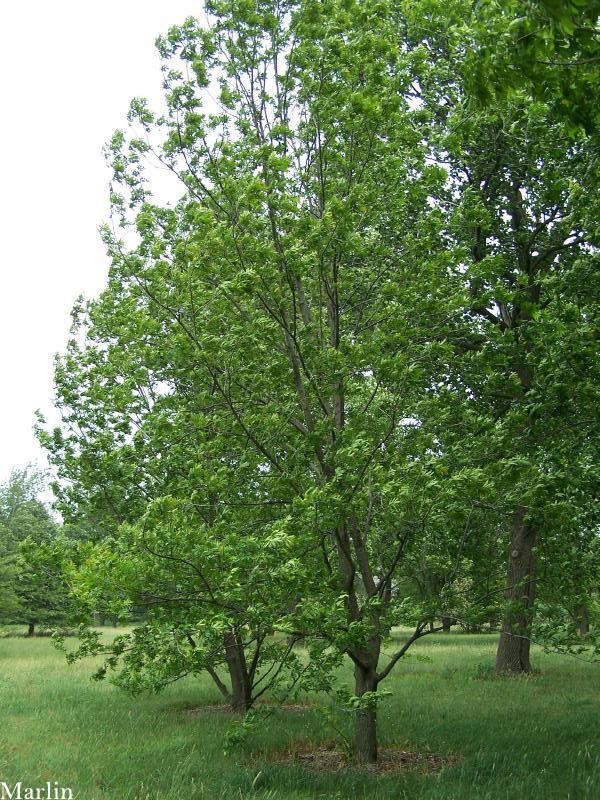
Chinese Wingnut grows to 70 feet as a deciduous tree with large, substantial branches which spread as wide as the tree is tall. The 6 to 12-inch-long leaves are composed of many, finely-toothed, oval leaflets. The leaves do not display any appreciable fall color. Of particular interest are the 6 to 12-inch-long seed clusters, green strings of winged seeds suspended below the branches which turn brown and fall in autumn. The tree grows very quickly, and the trunk can grow to eight feet in diameter.
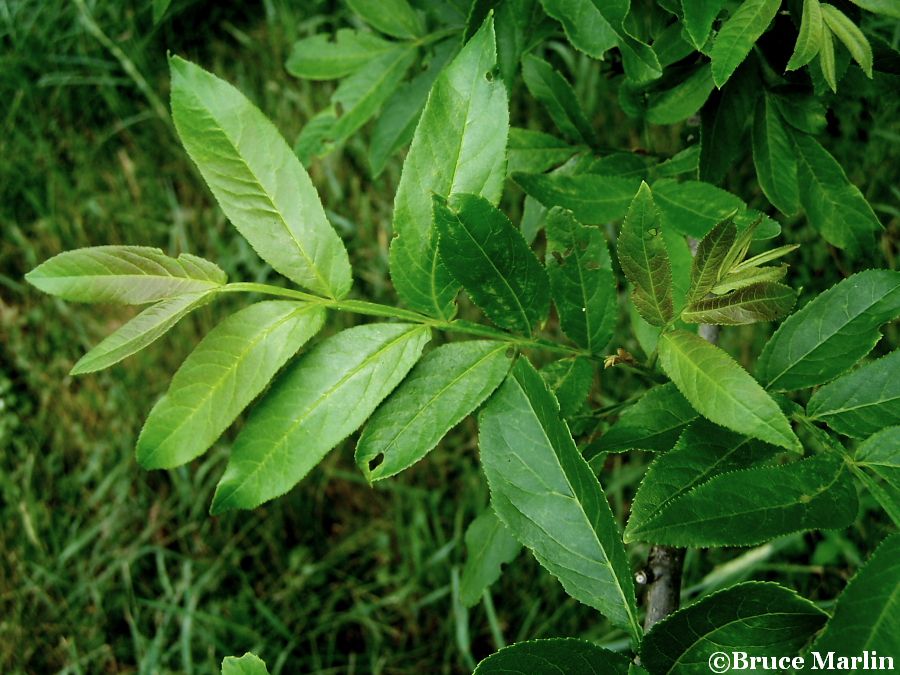
Chinese Wingnut may perform well as a street or shade tree but the aggressive roots may make it unsuitable for use in a lawn or garden. It should be considered for broader use as an urban tree but it is largely untested, so use it with caution. Locate it well away from (10 feet or more) a sidewalk or driveway so the large-diameter surface roots will not lift the concrete or asphtitle. Prune early in the life of the tree to form a good, strong structure by spacing major limbs several feet apart along a central trunk. Do not allow these limbs to grow more than about two-thirds the diameter of the trunk to encourage formation of a strong branch collar.
Chinese Wingnut grows quickly in full sun and moist soil, and is ideally located beside a stream or pond. The trees are tolerant of clay, wind, drought, and compacted soil once the trees have become well established. Any necessary pruning should be done in the summer to prevent the bleeding which occurs in spring or winter. Propagation is by seed or cuttings.
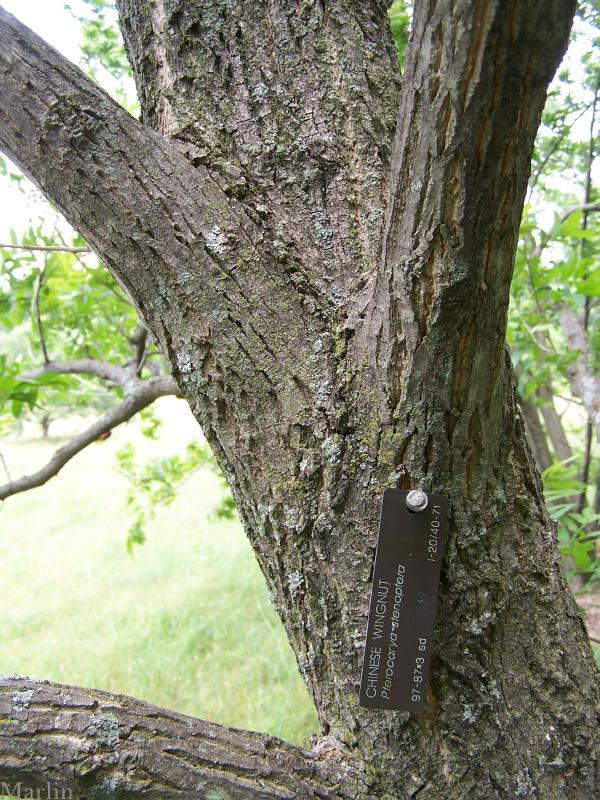
More extensive information on the Chinese Wingnut may be found at The University of Florida IFAS
Family Juglandaceae – Nut Trees – Walnut, Hickory, Butternut, Pecan
The Walnut family is a large group of deciduous, aromatic trees including the commercially important nut-producing trees. The Persian walnut (Juglans regia) is one of the major nut crops of the world.