Celtis occidentalis – Hackberry
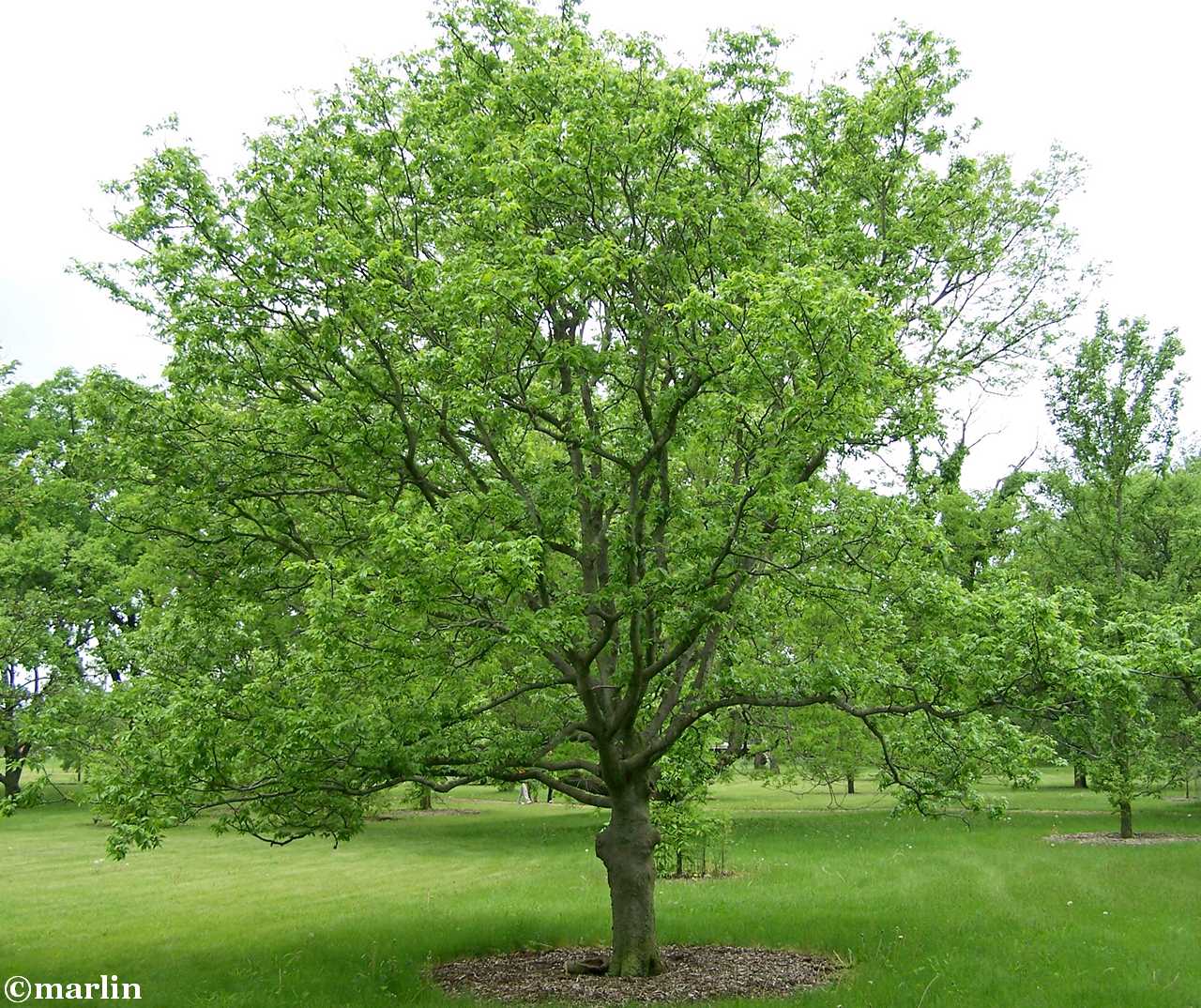
This Morton Arboretum Hackberry is 61 years old, grown from seed. Hackberry grows naturally in moist bottomland soil but will grow rapidly in a variety of soil types from moist, fertile soils to hot, dry, rocky locations in the full sun. Hackberry is tolerant of highly alkaline soil.
Hackberry is wind, drought, salt and pollution tolerant once established and is considered a moderately tough, urban-tolerant tree. Skilled pruning is required several times during the first 15 years of life to prevent formation of weak branch crotches and weak multiple trunks.
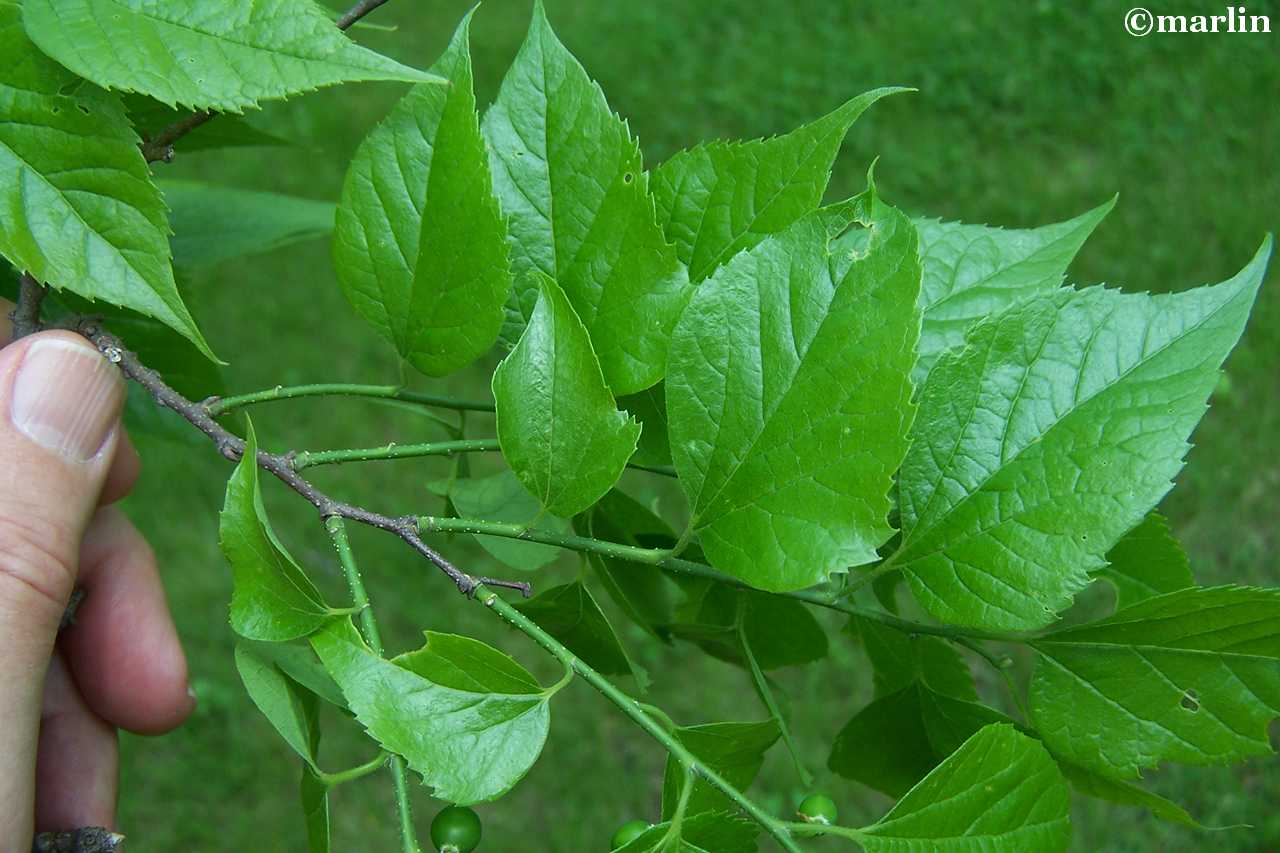
Hackberry is one of our largest and most-highly valued shade trees in the U.S. Hackberry grows naturally in moist bottomland soil but will grow rapidly in a variety of soil types from moist, fertile soils to hot, dry, rocky locations in the full sun. Hackberry is tolerant of highly alkaline soil whereas Sugarberry is not. It is wind, drought, salt and pollution tolerant once established and is considered a moderately tough, urban-tolerant tree. Skilled pruning is required several times during the first 15 years of life to prevent formation of weak branch crotches and weak multiple trunks.
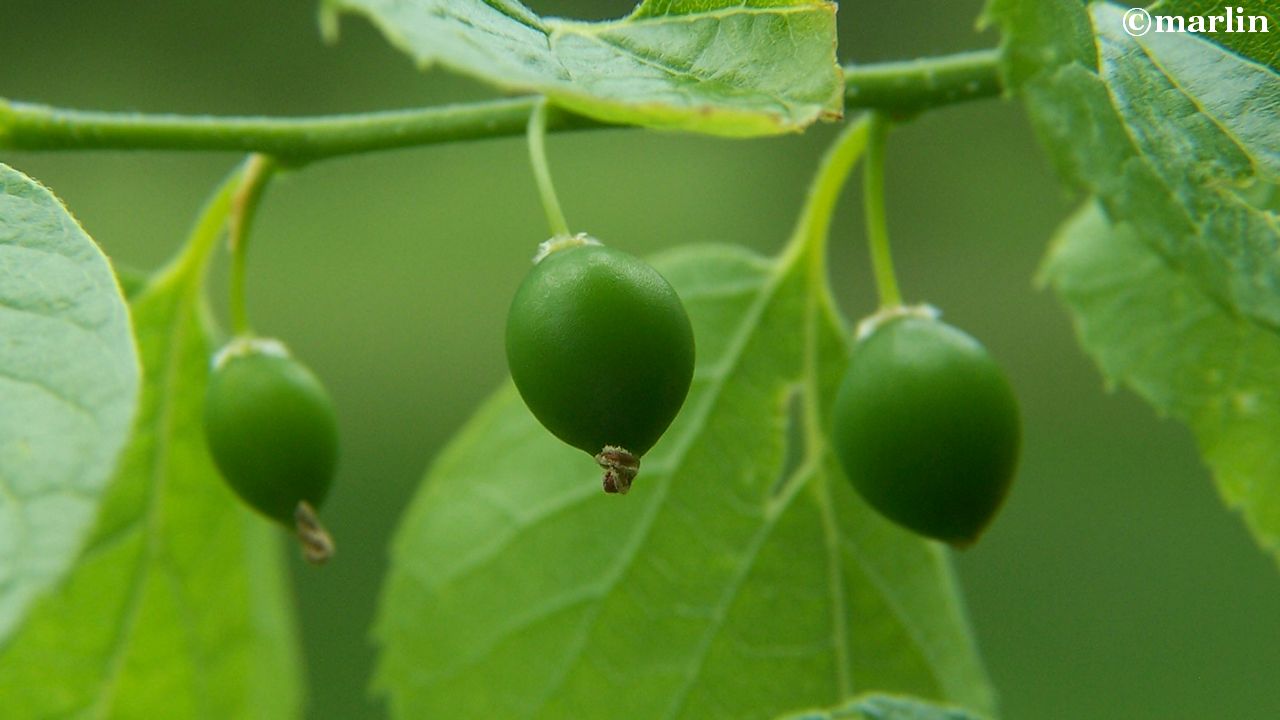
Relished by birds and other wildlife, hackberry fruits change from green to red to purple, and can stain concrete walkways.
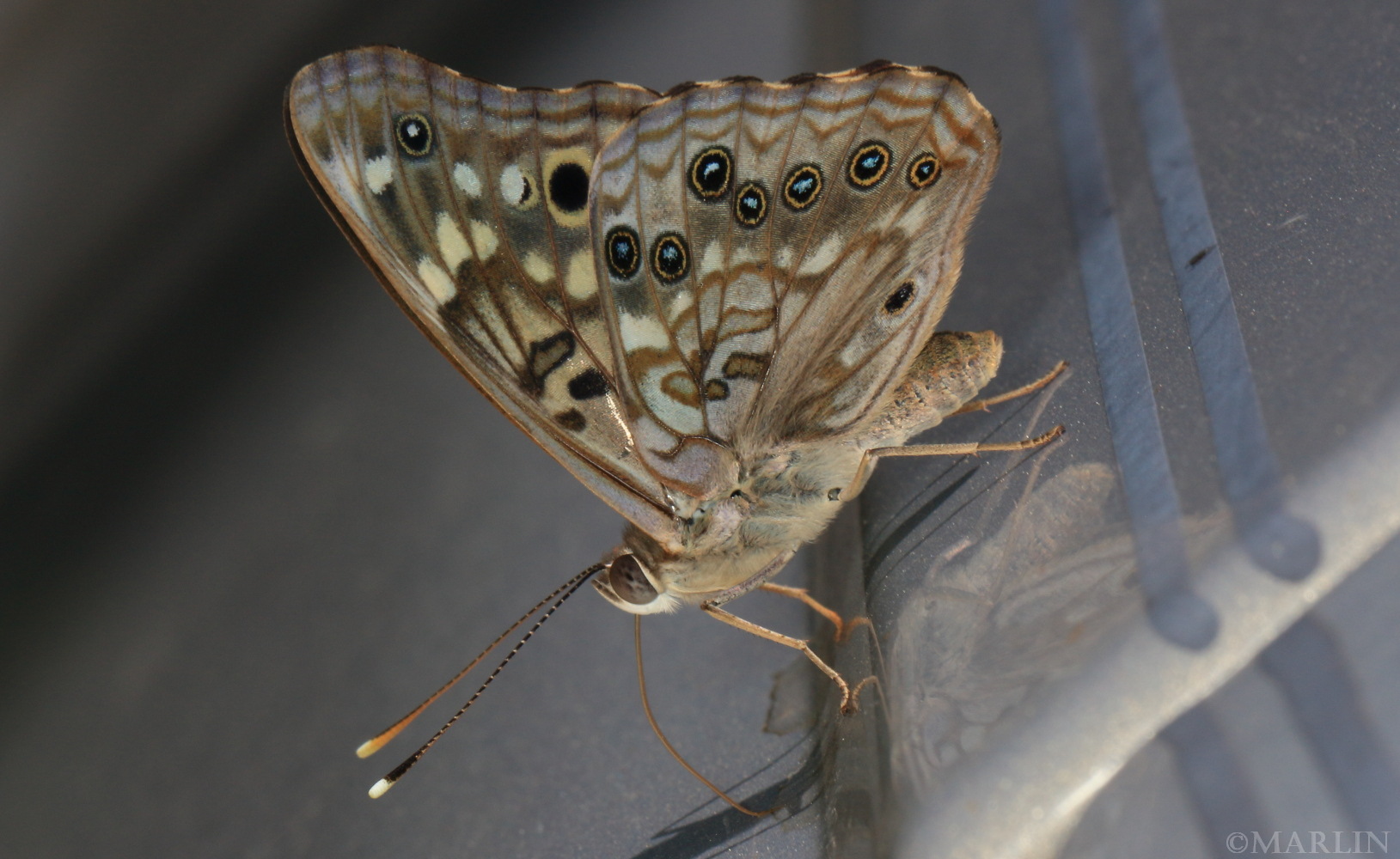
Hackberry Butterfly – Asterocampa celtis
Birds poop these seeds by the thousands all over my yard, driveway, and flower gardens. Very irritating – the seedlings are difficult to pull as soon as they rear their ugly heads.
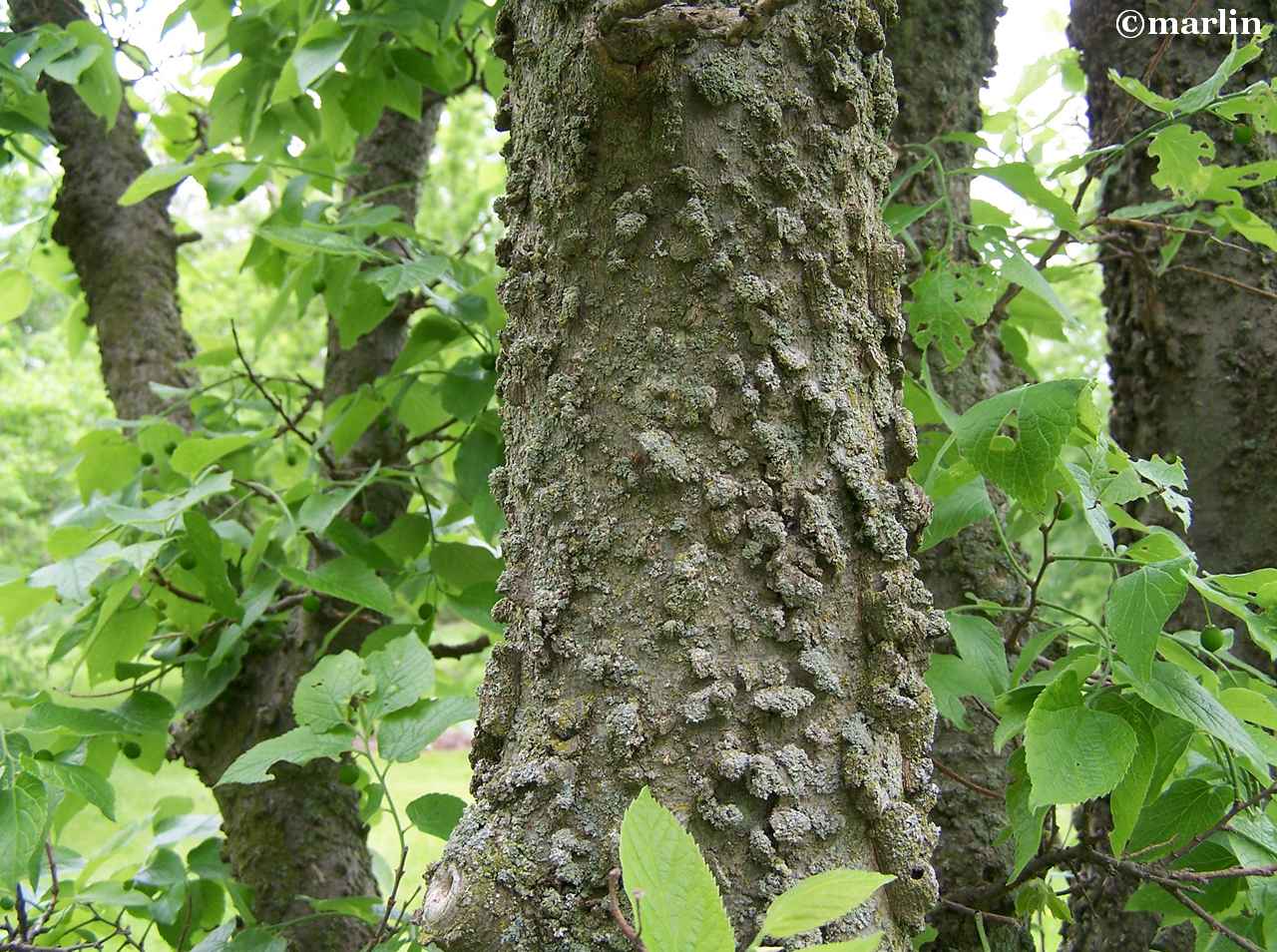
Hackberry’s distinctive “lumpy” bark. Hackberry is a member of the Family Ulmaceae, which includes Zelkova and Elm. There are about 200 species of trees and shrubs in Ulmaceae. Elms fell victim to Dutch Elm disease during the 1950s; until that time, they were the premier shade tree along the streets of our American towns and cities. The Morton Arboretum in past years has bred and marketed five new elm varieties resistant to Dutch elm disease.
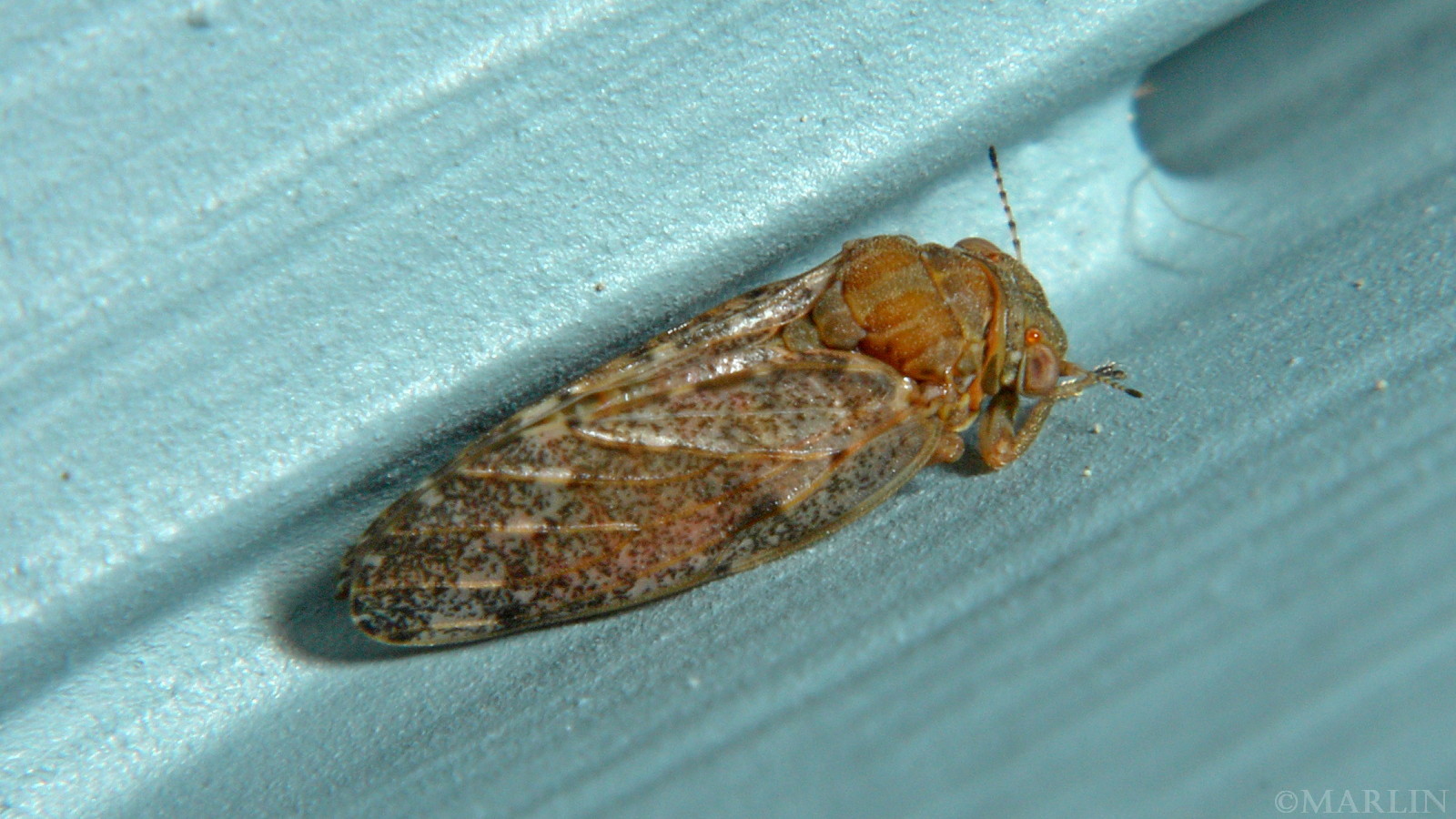
Hackberry Psyllid – Pachysylla species
References
- Edward F. Gilman and Dennis G. Watson, Common Hackberry, USDA Forest Service Fact Sheet
- NATIONAL AUDUBON SOCIETY, Field Guide to North American Trees– Eastern Region