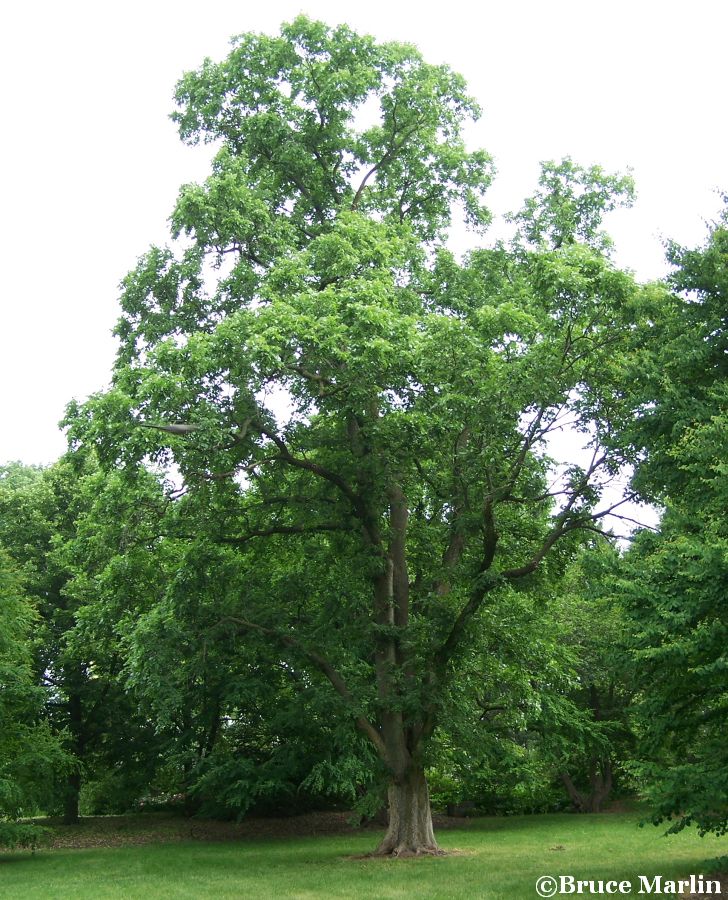
Russian Elm - Ulmus laevis Pall.
Ulmaceae: Elm Family
USDA Hardiness Zone 5.
Live tree photographed at DuPage County, Illinois, May 31, 2007.


Russian Elm
From Wikipedia
The European White Elm (Ulmus laevis) is also commonly called Fluttering Elm, Spreading Elm, and Russian Elm. It is a large tree native to Europe, from France northeast to southern Finland, and southeast to Bulgaria and the Crimea; there is also a disjunct population in the Caucasus. Essentially a riparian species, it is most commonly encountered along rivers such as the Volga and Danube. It is the only elm tolerant of waterlogged ground, its massive shallow root system forming distinctive high buttresses around the base of the trunk.

Like other European elms, it has little resistance to Dutch elm disease, but is eschewed by the vector bark beetles and only rarely becomes infected. Research published in the Canadian Journal of Forest Research has indicated that it is the presence of certain organic compounds, such as triterpenes and sterols, that serves to make the tree bark unattractive to the beetle species that spread the disease. Its decline in Europe is chiefly owing to woodland clearance in river valleys.


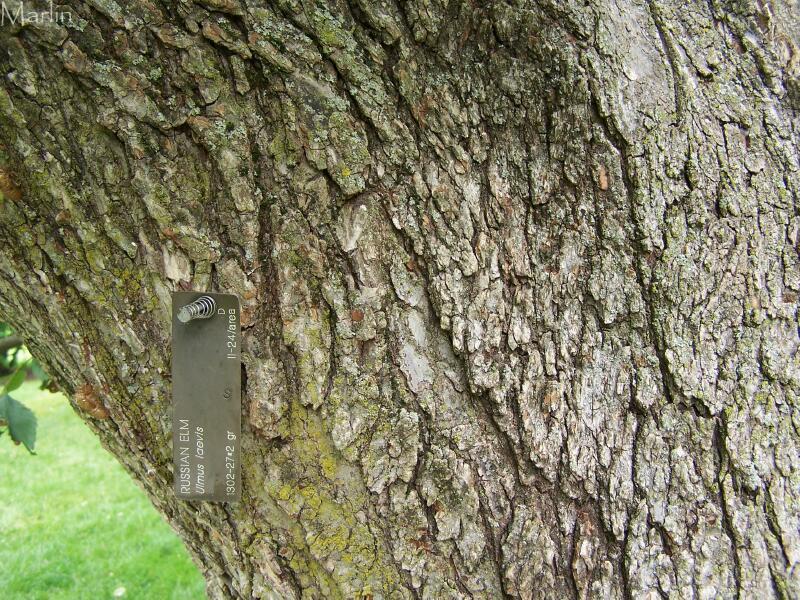
Bark

Healthy, attractive trees add interest, pleasure, and value to your landscapes. Some factors to keep in mind as you select a tree relate to your projected planting site and some factors relate to you. Healthy plants, growing under conditions that suit them, are marvelously engineered to deal with minor incidences of heat, cold, drought, storm damage, pests, and disease. Sometimes we unknowingly stress them, reducing their ability to stay healthy.

In order to grow a healthy tree, it is important to select the right tree for the right place. Consider the following when selecting a tree:

Why is the tree being planted? Where will the tree be planted? Are there size requirements or restrictions? Will there be enough room for the roots to grow? Is there a mix of trees in the area?
What are the growing conditions? Is the tree suitable for the climate? How much sun or shade will the tree receive? What are the soil conditions?
Are there overhead or underground wires or utilities? Do you need to consider clearance for sidewalks, patios, alleys, or driveways? Will the tree be near a road or sidewalk that receives salt spray? If so, plant a salt-tolerant tree.
What type of maintenance are you willing to provide? Do you have time to water, fertilize, prune, and mulch the tree and can you protect the newly planted tree if it will experience harsh conditions (wind, snow, salt) until it is established?
Answering these and other questions before selecting a tree will help you choose the "right tree for the right place."


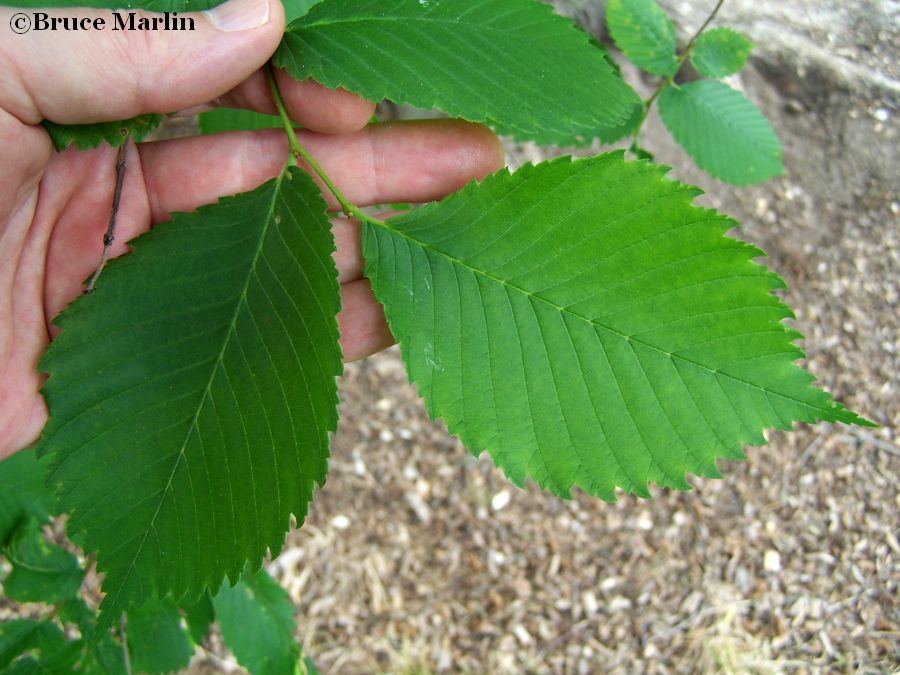
Elm leaves