
Scholar Tree – Sophora japonica
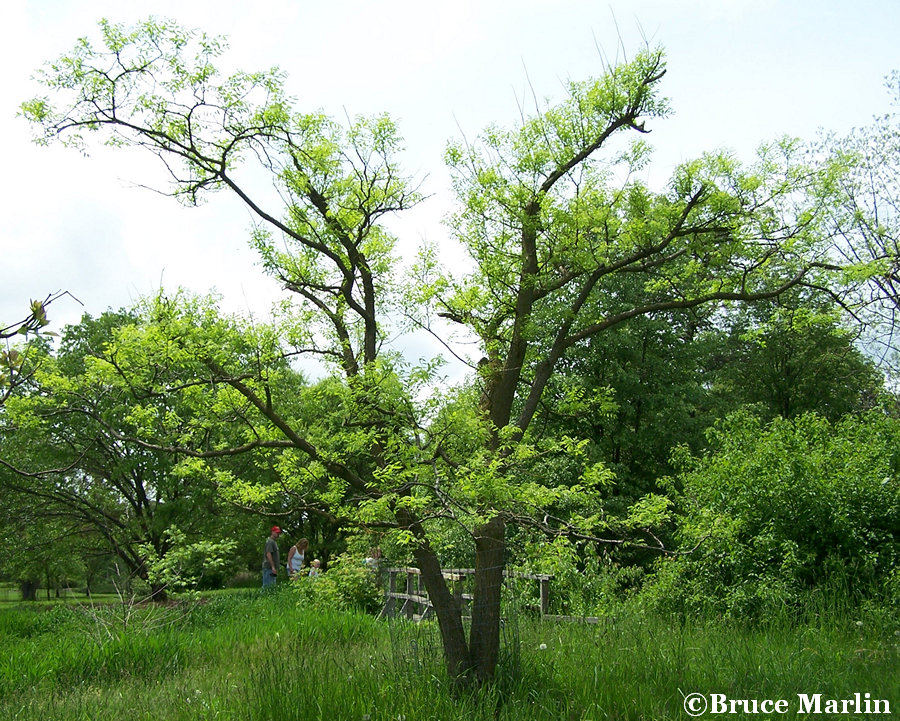
Family: Fabaceae (Leguminosae)
Also commonly called pagoda tree or Japanese pagoda tree. USDA hardiness zones: 5 through 8A
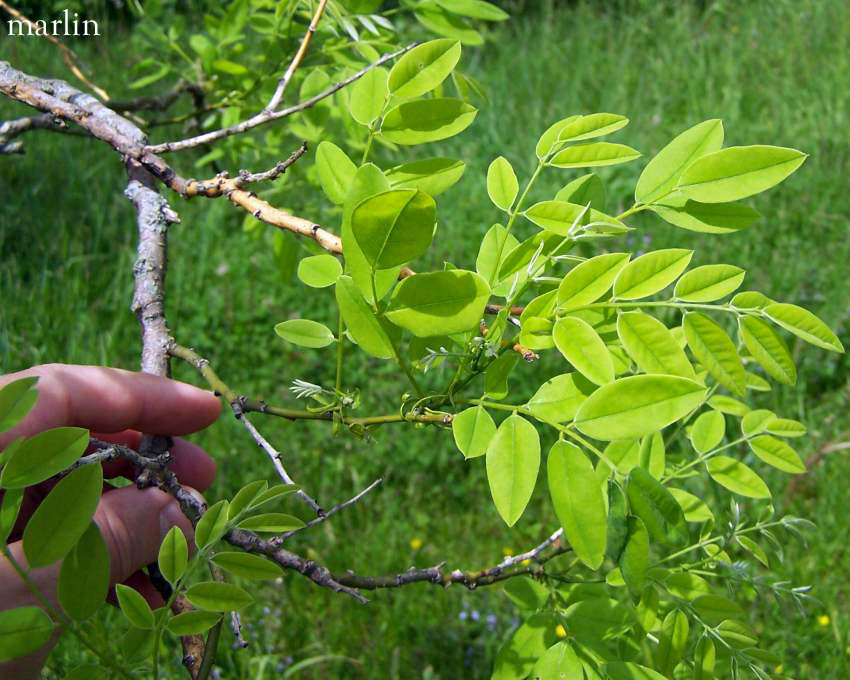 Sophora species grows to a height of 40 to 60 feet and spread of 30 to 45 feet, forming a fine-textured, round canopy even as a young tree.
It has a rapid growth rate and tolerates polluted city conditions, heat, and drought. The tree prefers a sunny, open location on any light soil.
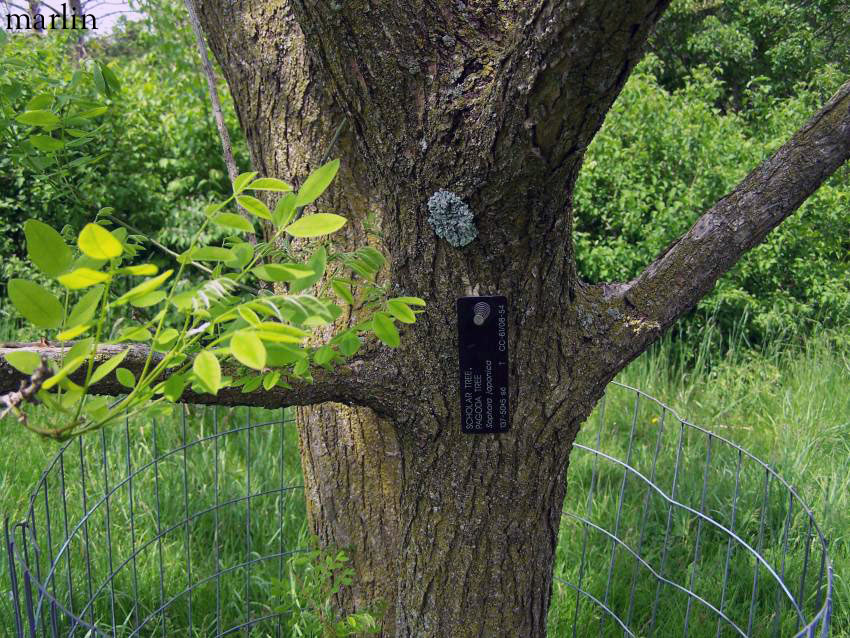
The very showy, greenish-white to yellow flowers are produced in mid to late summer and provide an airy feel to the tree for several weeks.
A yellow dye can be made by boiling the dried flowers and buds in water.
Showy summer flowers are white to yellow. Fruit is an elongated pod, winter persistent and does not create a litter problem.
Tree Encyclopedia / North American Insects & Spiders
Online since 2002