Southern Black Haw - Viburnum rufidulum - Also commonly called Rusty Blackhaw
Honeysuckle Family: Caprifoliaceae
USDA hardiness zones: 5B through 9 / Origin: native to North America
-Tree Encyclopedia Table of Contents-
 
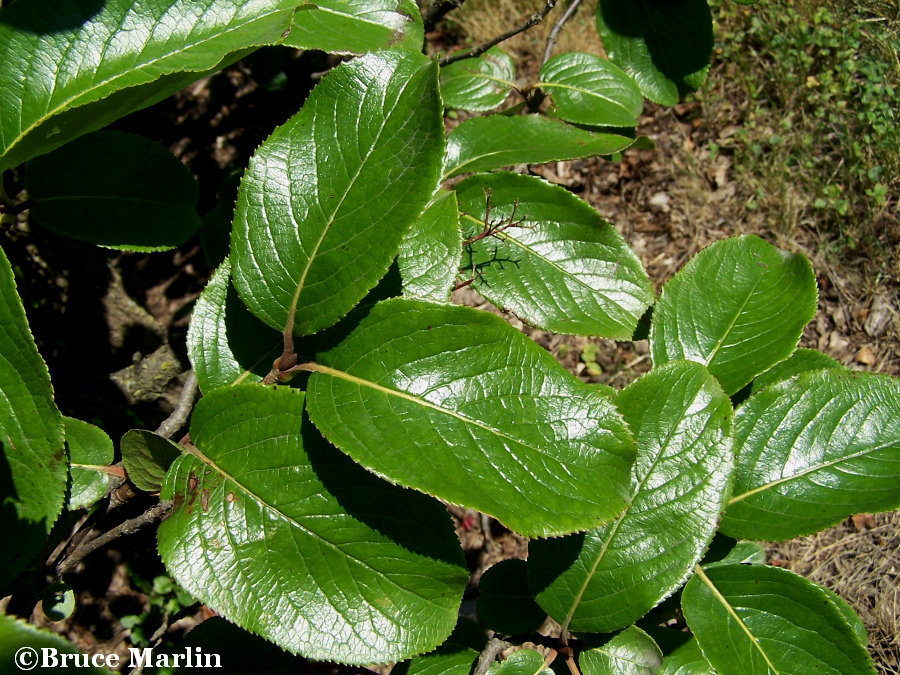
Southern Black Haw leaves are bright, shiny, waxy green with serrate edges
 
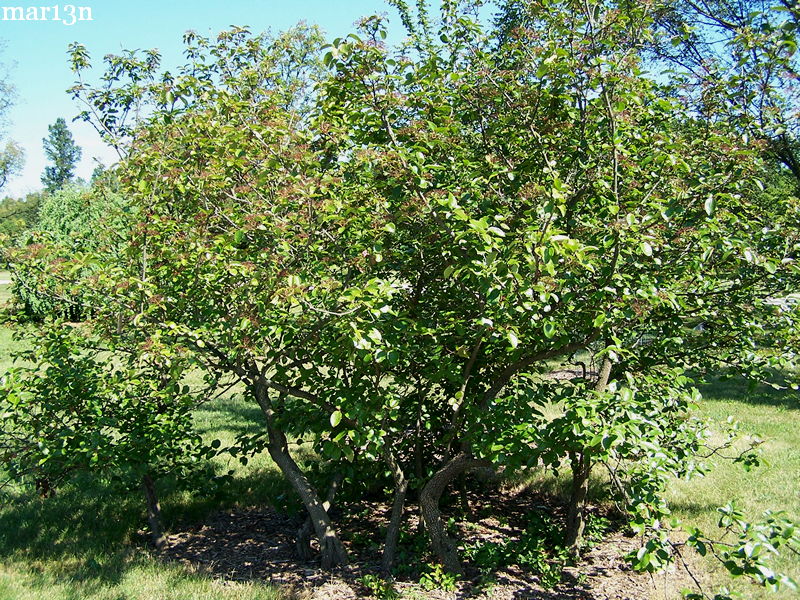
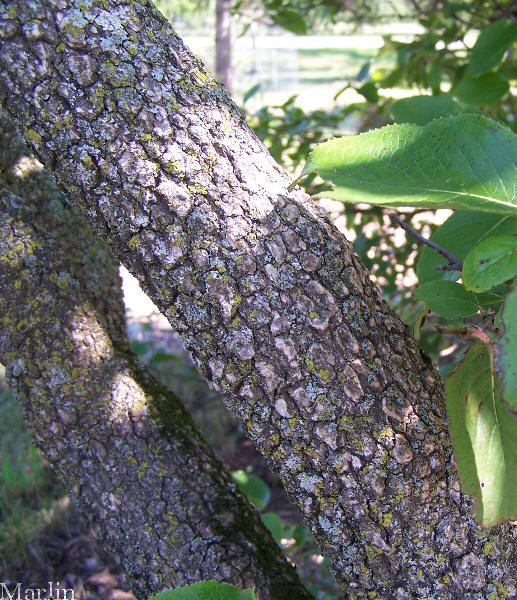
A native of the well-drained, upland woods of southeastern North America, Rusty Blackhaw forms a multiple or (occasionally) single-trunked small tree or large shrub, reaching 25 feet in height with an equal spread (Fig. 1). The dark bark is blocky, resembling older Flowering Dogwood bark. Trunks usually grow no thicker than six inches and arch away from the tree, forming a pleasing, vase-shaped crown. Leaves are dark green, three inches long, leathery, and extremely glossy. The tree is covered in springtime with striking five-inch-wide clusters of small, white blooms. These flowers are followed by clusters of dark blue, waxy, one-half-inch-long fruits that are extremely popular with wildlife and will occasionally persist on the plant from September throughout the autumn, if not eaten by wildlife. In fall, Rusty Blackhaw puts on a brilliant display of scarlet red to purple foliage.

Height: 20 to 25 feet / Spread: 20 to 25 feet / Crown uniformity: irregular outline or silhouette / Crown shape: vase shape / Crown density: moderate / Growth rate: slow

Leaf arrangement: opposite/subopposite, simple, serrulate, obovate; ovate, venation: pinnate
Leaf type and persistence: deciduous / Leaf blade length: 2 to 4 inches / Fall color: purple; red / Fall characteristic: showy

Flower color: white, showy; spring flowering / Fruit shape: round / Fruit length: < .5 inch / Fruit covering: fleshy / Fruit color: blue / Fruit characteristics: does not attract wildlife; inconspicuous and not showy; no significant litter problem.

Trunk/bark/branches: bark is thin and easily damaged from mechanical impact; droop as the tree grows, and will require pruning for vehicular or pedestrian clearance beneath the canopy; routinely grown with, or trainable to be grown with, multiple trunks; not particularly showy; no thorns. Needs little pruning to develop. Tree grows in full sun, shade, or combination. Soil tolerances: clay; loam; sand; acidic; occasionally wet; alkaline; well-drained. / Drought tolerance: high. Not a good street tree, as will not tolerate salt aerosol.

Rusty Blackhaw will grow and look nice in full sun or partial shade on any reasonably fertile, well drained soil. The tree grows in a shady spot but forms a more open habit. Flowering is significantly reduced in the shade. although tolerant of drought, it will not tolerate compacted soil. This would be a good tree for planting beneath power lines and in other limited space areas. Useful as a hedge, specimen, or border tree, this deciduous tree adapts well to urban areas. Shoots arise from the root system, sometimes as far out as the dripline. This could be a maintenance problem when planted in a bed of mulch. But sproutswould be routinely cut with regular mowing when planted as a street tree in a lawn. Propagation is by seed or cuttings.

This tree is usually pest-free. Viburnum aphid is gray to dark green and feeds in clusters at the tips of the branches, causing leaf curl. Viburnum opulus is especially susceptible. The insects can be dislodged with high pressure water spray from the garden hose. Inspect the stems of unhealthy-looking plants for possible scale infestations. If found, spray with horticultural oil for some control.

Bacterial leafspot causes round, water-soaked spots on leaves and young stems. These develop into shrunken, brown areas about 1/8-inch in diameter. Destroy infected leaves, if you wish. This is not a problem to be concerned about. Bacterial crown gall forms galls on the lower stems. Do not replant in the same spot. Shoot blight causes grayish to brown decayed spots on the leaves. The spots first appear at the leaf margins, then spread to the rest of the leaf. Infected flower clusters or twigs are killed. A number of fungi cause leaf spots. Rake up and destroy infected leaves. These are usually not a serious problem. Powdery mildew causes a white powdery growth on the leaves, but this Viburnum is usually not affected. - From USDA Fact Sheet ST-661


       web       www.cirrusimage.com
[Cirrus Home]    [Butterflies]    [Bugs]    [Beetles]    [Mantids]    [Spiders]    [Bees & Wasps]    [Dragon & Damselflies]    [Moths]   [Wildflowers]
[Fungi & Mushrooms]    [Flies]   [Butterflies of the World]  [Trees of North America]  [Cicadas & Grasshoppers]   [Ticks & Mites] 

© Red Planet Inc.