
 |
White Mulberry – Morus alba Family Moraceae – Mulberries and Figs White mulberry is considered a weed tree in many locations. |

Custom Search
|
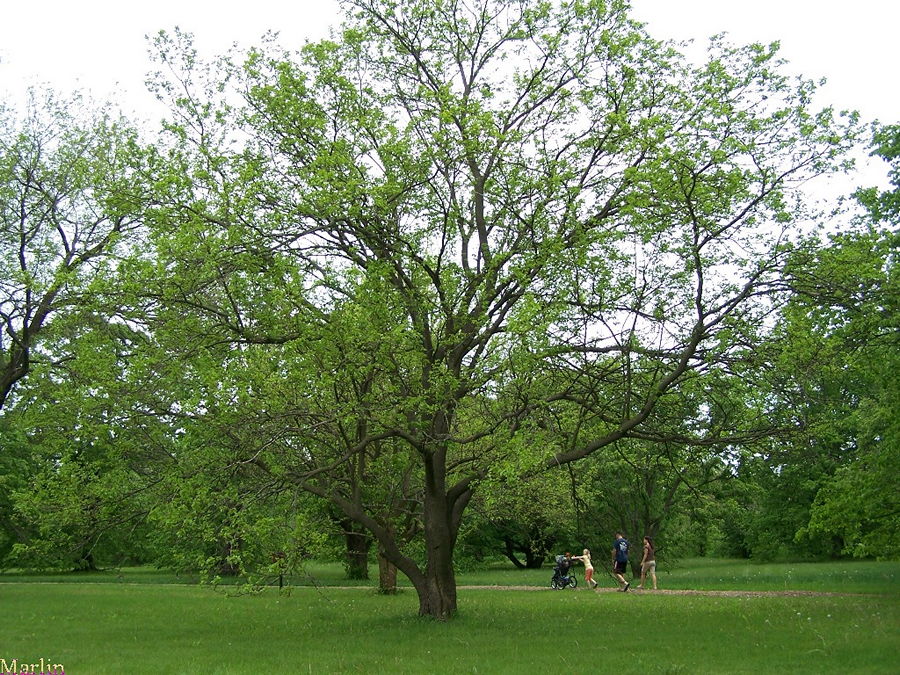 This Morton Arboretum specimen, from a graft, is 55 years old. The white mulberry is native to eastern and central China. It became naturalized in Europe centuries ago. The tree was introduced into America for silkworm culture in early colonial times and naturalized and hybridized with the native red mulberry. The American mulberry is native to eastern United States from Massachusetts to Kansas and down to the Gulf coast. The black mulberry is native to western Asia and has been grown for its fruit in Europe since before Roman times.
Adaptation: The white mulberry, and to a lesser extent the red mulberry, are quite tolerant of drought, pollution and poor soil. The white mulberry is considered a weed tree in many parts of the country including urban areas. The black mulberry is more fastidious, faring less well in cold climates or areas with humid summers. The white mulberry is the most cold-hardy of the three species, although this varies from one clone to another. Some are damaged at 25° F, while others are unfazed at -25° F. Red mulberries are hardy to sub-zero temperatures. The black mulberry is the least cold-hardy of the three, although again cold tolerance seems to depend on the clone. In general it is limited to USDA Hardiness Zone 7 (0° to 10° F average minimum) or warmer. They have been planted only to a limited extent in America, mostly on the Pacific Coast. The mulberry makes a good town tree which will grow well in a tub. [2] |
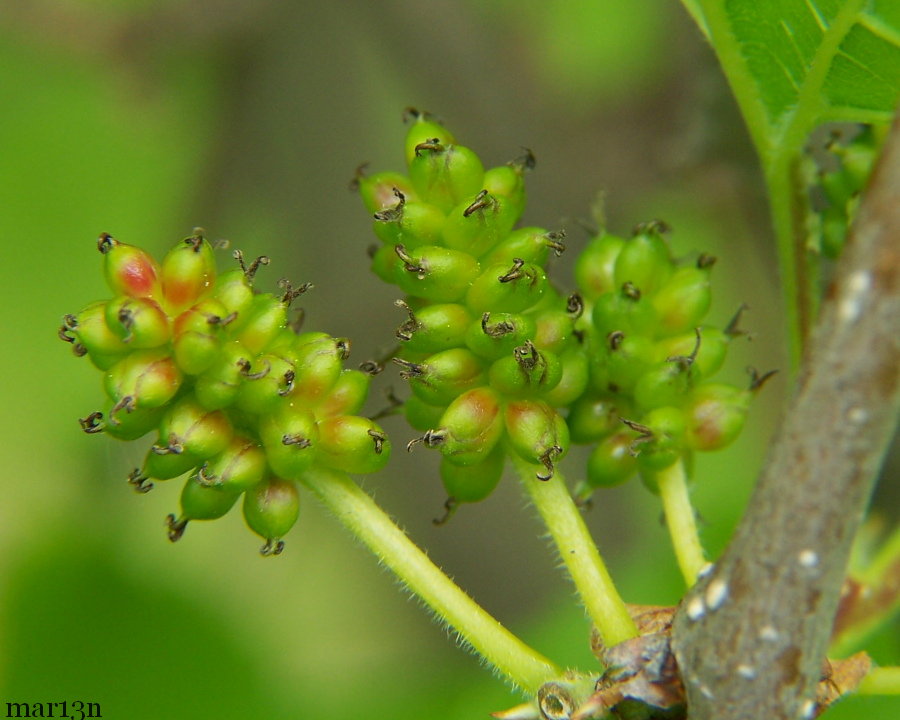 Mulberries get their common names from the color of their buds, not the fruit which can be lavender, red, white, or black. According to the U.S. Forest Service Weed of the Week: White mulberry occurs naturally in sparse forests on hillsides at a wide range of elevations. It grows in part shade to full sun. It can grow in clay, loam, sand, acidic, alkaline, and well drained soils. It tolerates extended flooding or drought conditions. The seeds are spread by wildlife that feed on the fruits. It expands locally by producing new plants from its roots. It occurs throughout the US with exception of Alaska, Arizona and Nevada.
Ecological Impacts: Impacts include hybridization with and replacement of native mulberry. It transmits a harmful root disease to red mulberry and invades natural areas including fields, forest edges and roadsides.
|
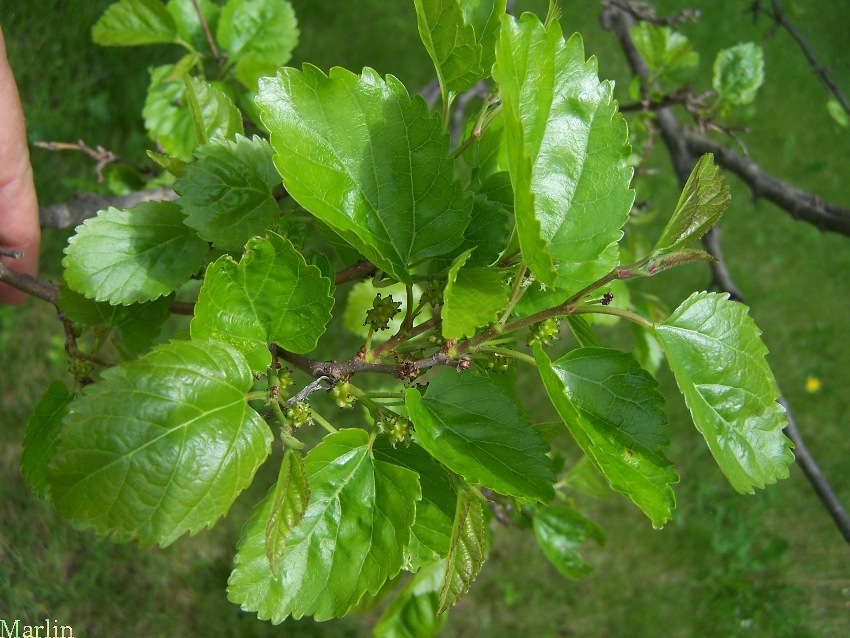
| References: 1. USDA, ARS, National Genetic Resources Program. Germplasm Resources Information Network Morus alba 2. California Rare Fruit Growers, Inc, Mulberry |
|
Mulberry Family: Moraceae consists of flowering trees, shrubs, herbs or lianas (vines), both evergreen and deciduous; mainly woody and tropical, they are most abundant in Asia. Moraceae includes both self-supporting and epiphytic (plants that use an immobile object such as another plant, or a building to support their structure) vines. The largest genus is Ficus, with about 750 species of figs. |
