Family Betulaceae – Alder, Birch & Hornbeam
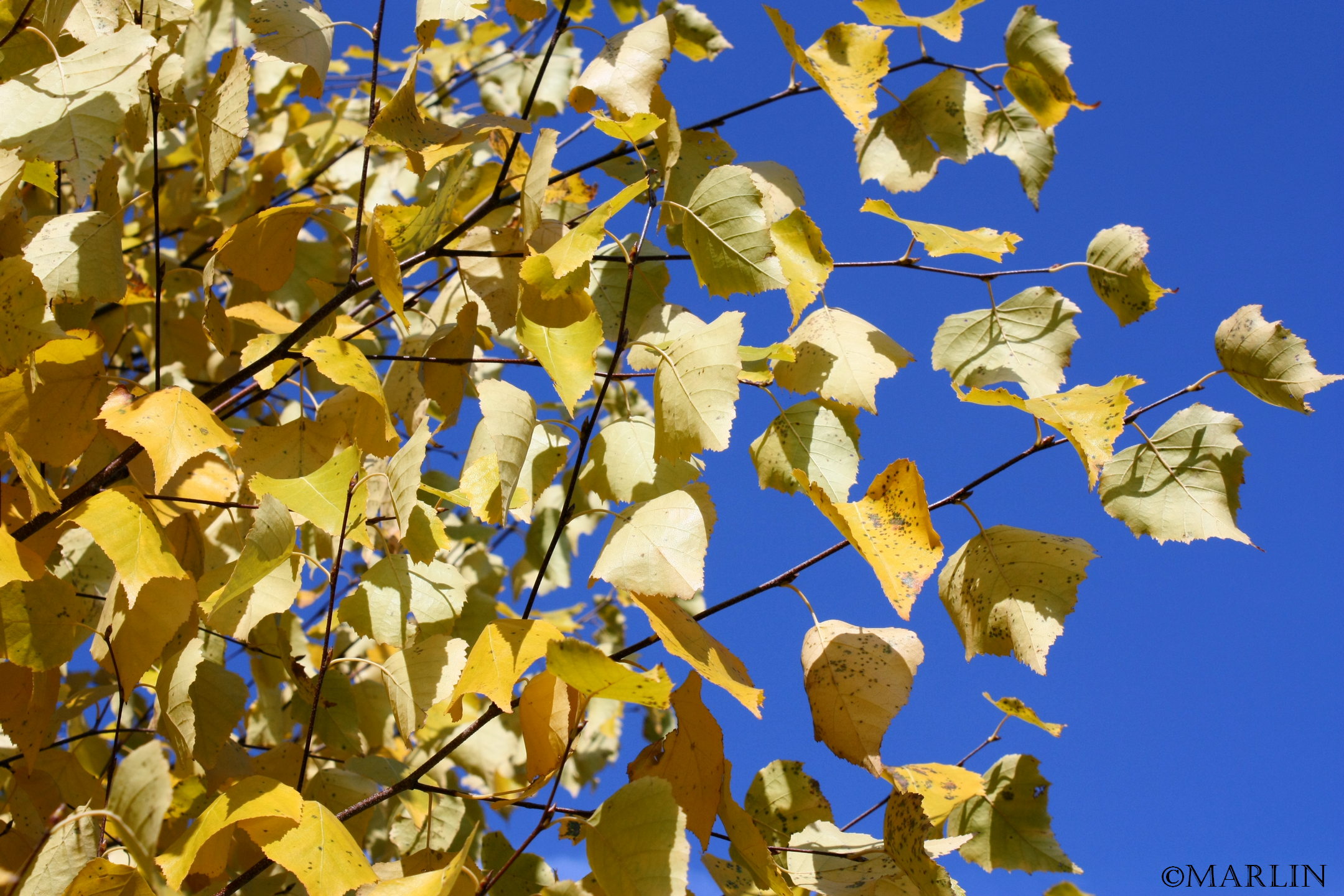
Betulaceae belongs to an ancient lineage, traceable in the fossil record to the upper Cretaceous, 140 million years ago. They are easily distinguished by their woody habit; simple, pinnately veined, usually ovate, sharp-toothed leaves; long staminate catkins that often develop the season before anthesis; and (except in Corylus and Ostryopsis ) strobiluslike infructescences.
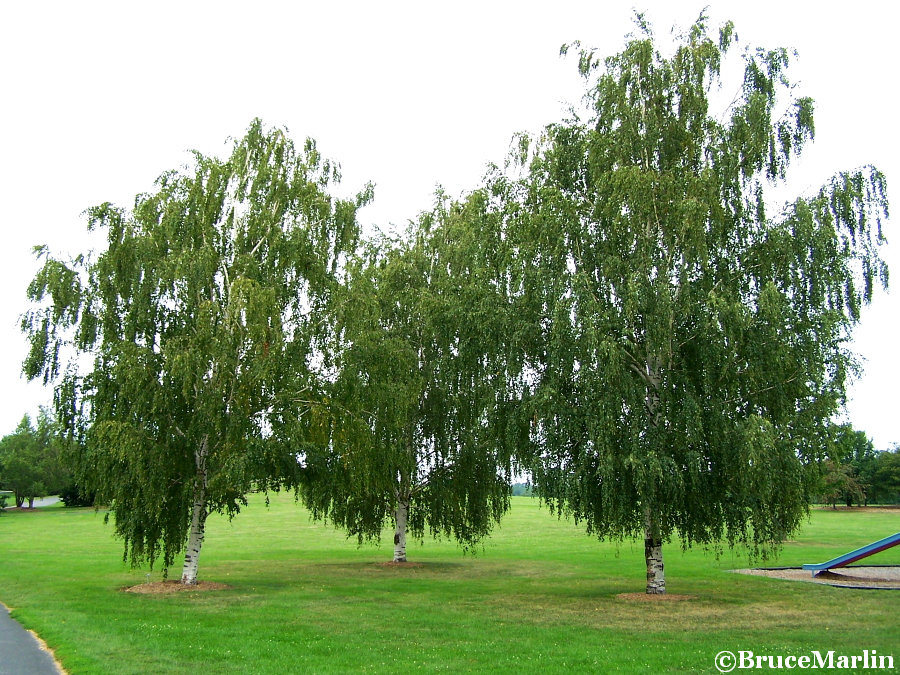
Archetypical white birch is an outstanding specimen or ornamental landscape tree
The family is held together on the basis of many features, including habit, leaf structure and arrangement, trichome morphology, wood anatomy, inflorescence morphology, ovary and ovule structure, pollen morphology, embryo structure, and fertilization and germination patterns. Five of the six constituent genera inhabit the boreal and cool temperate zones of Eurasia, North America, and the mountains of Mexico and Central America, and two genera also grow in the Andes to northern Argentina in South America. The remaining genus, Ostryopsis Decaisne (most closely related to Corylus Linnaeus), consists of two species of shrubs restricted to northern and western China.
 Japanese White Birch |
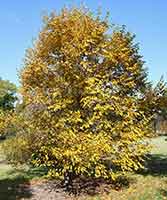 Dahurian Birch |
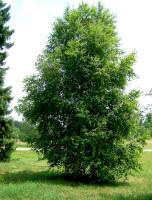 European White Birch |
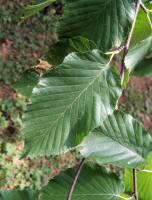 Sweet Birch |
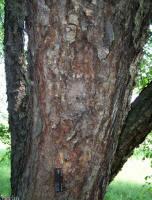 River Birch |
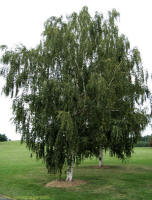 Paper Birch |
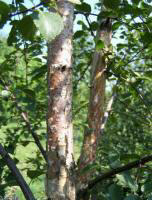 Arctic Moor Birch |
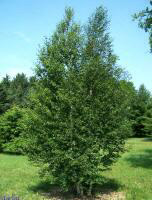 Downy / Moor Birch |
Birch grows in climates ranging from boreal to humid and tolerates wide variations in precipitation. Its northern limit of growth is arctic Canada and Alaska, in boreal spruce woodlands, in mountain and sub alpine forests of the western United States, the Great Plains, and in coniferous – deciduous forests of the Northeast and Great Lakes states.
The group is sometimes divided into two families, Betulaceae ( Alnus and Betula ) and Corylaceae (Carpinus , Ostrya , Corylus , and Ostryopsis), especially in Europe. In America, this treatment has been followed by A. J. Rehder (1940), J. K. Small, and a few others.
Some of those writers have based their recognition of two families in part on the belief that a fundamental difference exists in the staminate inflorescences of the two groups. This view is no longer widely accepted, and most modern authors maintain the family as a single group composed of two subfamilies, Betuloideae and Coryloideae.” [1]
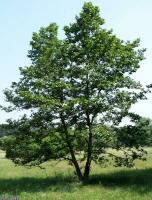 Manchurian Alder |
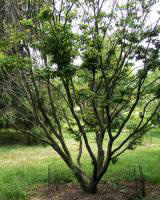 Loose-Flowered Hornbeam |
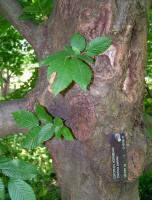 European Hornbeam |
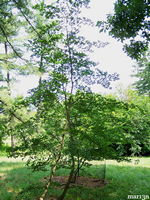 Turczaninov Hornbeam |
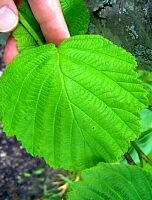 Siberian Alder |
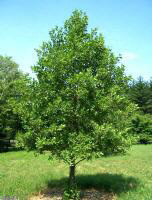 European Black Alder |
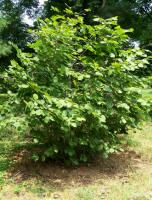 Manchurian Hazelnut |
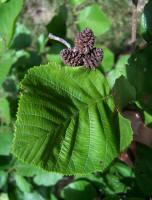 Speckled Alder |
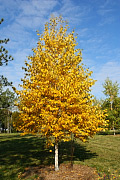 Asian White Birch |
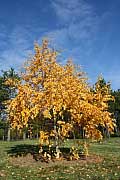 Manchurian Birch |
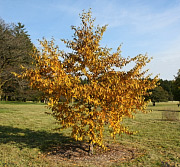 Schmidt’s Birch |
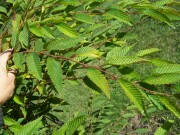 Japanese Hornbeam |
 Pyramidal Black Alder |
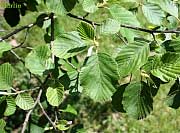 European White Alder |
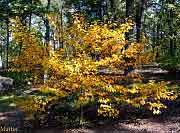 American Hornbeam |
Alders are monoecious, that is, they have both sexes present on the same plant. Long, hanging male catkins are produced in the early winter then release pollen the following spring. Tiny female catkins appear at the shoot tips in early spring. These female catkins ripen to form green, woody conelets that after fertilization ripen into open cone-like structures called strobiles, from which the seeds are released.
American Hornbeam – Carpinus caroliniana
Arctic Moor Birch – Betula pubescens subspecies tortuosa
Asian White Birch – Betula platyphylla
Dahurian Birch – Betula davurica
Downy Birch – Betula pubescens
European Black Alder – Alnus glutinosa
European Hornbeam – Carpinus betulus
European White Alder – Alnus incana
European White Birch – Betula pendula – syn. Betula verrucosa
Family Betulaceae – Alder, Birch & Hornbeam
Japanese Hornbeam – Carpinus japonica
Japanese White Birch – Betula platyphylla var. japonica
Loose-Flowered Hornbeam – Carpinus laxiflora var. macrostachya
Manchurian Alder – Alnus hirsuta
Manchurian Birch – Betula platyphylla var. mandshurica
Manchurian Hazelnut – Corylus sieboldiana var. mandshurica
Paper Birch – Betula papyrifera
Pyramidal Black Alder – Alnus glutinosa ‘Pyramidalis’
Schmidt’s Birch – Betula schmidtii
Siberian Alder – Alnus hirsuta var. sibirica
Turczaninov Hornbeam – Carpinus turczaninovii
White Birch Tree – Betula papyrifera
White Satin Birch – Betula ‘White Satin’
References
1. eFloras.org, Flora of North America
2. World Health Organization, Medicinal Plants in the Republic of Korea, Betula platyphylla var. japonica
3. Eun Mi Ju et al., Antioxidant and anticancer activity of extract from Betula platyphylla var. japonica
The birches have long been popular ornamental trees in North America, chiefly in the northern United States and Canada. Our specimens include river birch, Dahurian birch, paper birch, Arctic birch, Manchurian birch, Manchurian alder, downy birch, Japanese white birch, and 10 other species.
Tree Encyclopedia | Trees Index | Elms & Zelkovas