 |
Family Pinaceae: The Pines, Cedars, Spruce, and Firs The Pine family is the most varied of all the groups of trees that bear cones (conifers). |
|
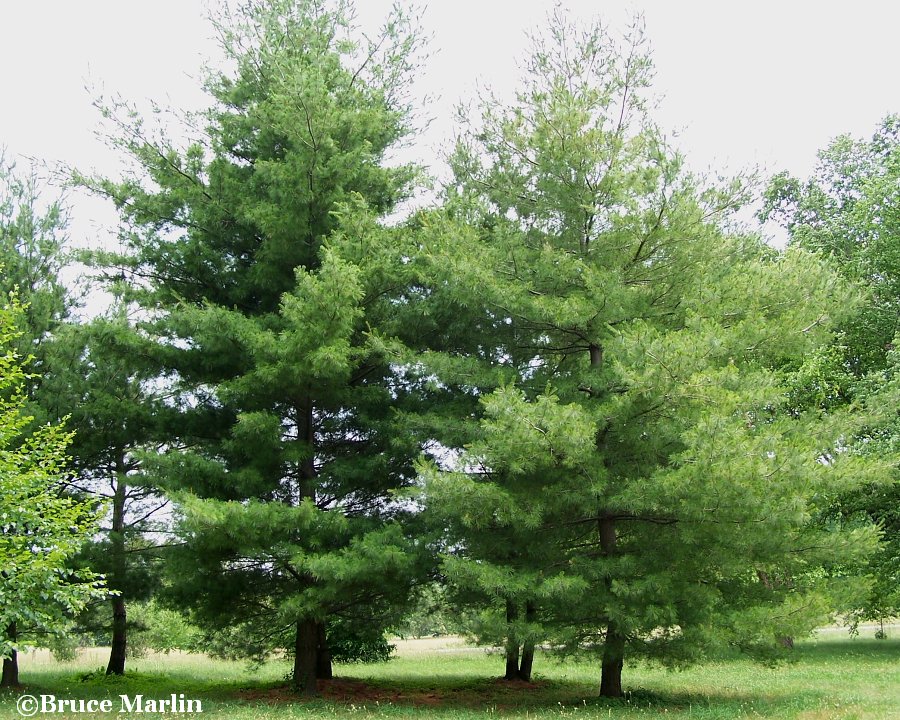 White Pines commonly live to 400+ years. |
|
Conifer comes from the Latin for "cone bearing." A conifer's seeds are borne in its cones. If you were to shake a typical mature cone, seeds would fall out. Almost all plants on earth produce seeds, and these plants are divided into two categories: gymnosperms and angiosperms. The angiosperms have their seeds embedded inside fruit; think of an apple or a pumpkin. Angiosperms comprise, by far, the biggest of the two groups.
Pollination in conifers is always dependant on wind. "Gymnosperm" is Latin for "naked seed". Gymnosperms evolved before flowering plants, and conifers (all plants in Pinaceae are conifers) are gymnosperms. There are fewer than 1,000 species of gymnosperms, representing barely 1/2 of one percent of all plant species. |
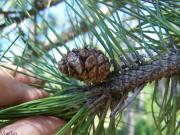 Pinus resinosa Red Pine |
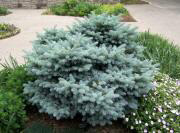 Blue Globe Spruce Picea pungens |
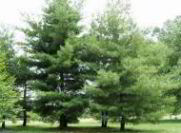 Eastern White Pine Pinus strobus |
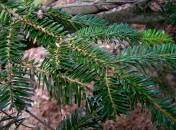 Nordmann Fir Abies nordmanniana |
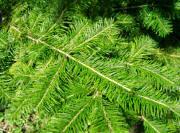 Manchurian Fir Abies nephrolepis |
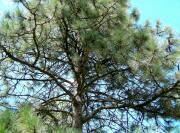 Ponderosa Pine Pinus ponderosa |
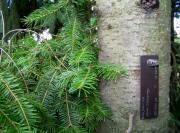 Balsam Fir Abies balsamea |
 Douglas-Fir Pseudotsuga menziesii |
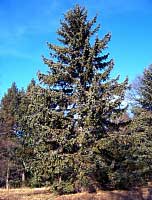 Koyama Spruce Picea koyamae |
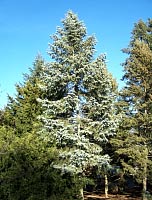 White Fir Abies concolor |
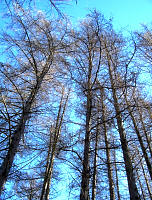 European Larch Larix dicidua |
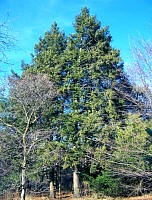 Eastern Hemlock Tsuga canadensis |
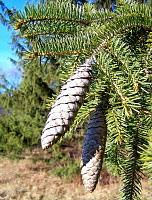 Norway Spruce Picea abies |
|
A mature, fertilized female cone may be thought of as "fruit" (although technically conifers do not "flower" and hence cannot bear fruit). In most conifers, the cones are woody structures, but by no means do they all look like the classic pinecone. Some have seeds enveloped in a fleshy coating. Separate male cones are called staminate; they often take the form of tiny cones or catkins; these provide the pollen to fertilize the female cones, which ultimately produce the seeds. The female cones are the familiar woody structures and they are called pistillate cones. Most species of conifer are monoecious: they have both male and female cones on the same tree. |
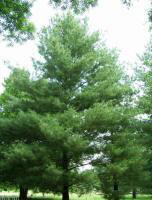 Himalayan White Pine |
 Serbian Spruce |
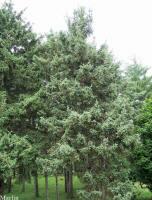 Dragon Spruce |
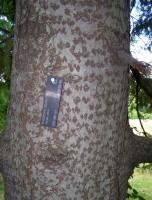 European Silver Fir |
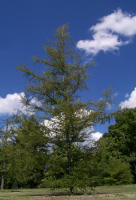 Olga Bay Larch |
|
The oldest tree? Sometime around 7542 B.C., a spruce tree started growing on Fulu Mountain in Sweden. It is still growing. Spruce trees can produce exact clones, and while the currently visible part of the tree is not 9,550 years old, scientists found pieces of wood beneath it that are – with exactly the same genetic makeup as the now living above-ground tree. |
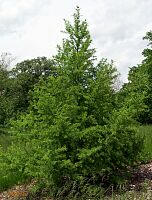 Siberian Larch |
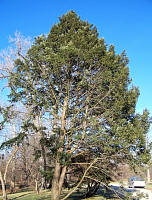 Fremd Eastern Hemlock |
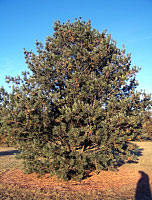 Limber Pine |
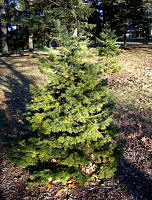 Subalpine Fir |
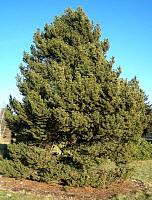 Mugo Pine |
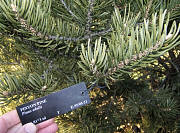 Pinyon Pine |
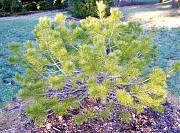 Lacebark Pine |
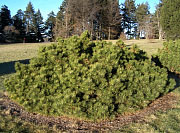 Hornibrook Austrian Pine |
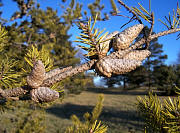 Jack Pine |
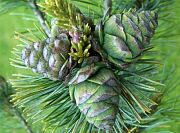
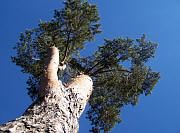
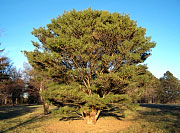
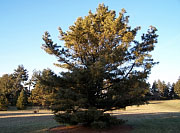
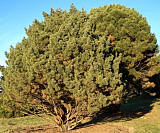
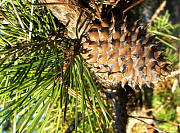
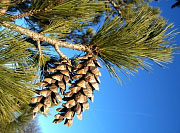
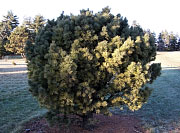
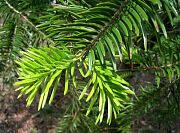
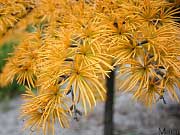
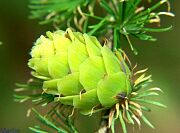
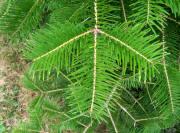 Needle Fir Abies holophylla |
 Japanese Red Pine Pinus densiflora |
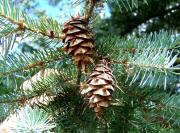 Douglas Fir Pseudotsuga menziesii |
| Tree Encyclopedia / North American Insects & Spiders is dedicated to providing scientific and educational resources for our users through use of large images and macro photographs of flora and fauna. |
|
|
Tree Encyclopedia | Tree Index |